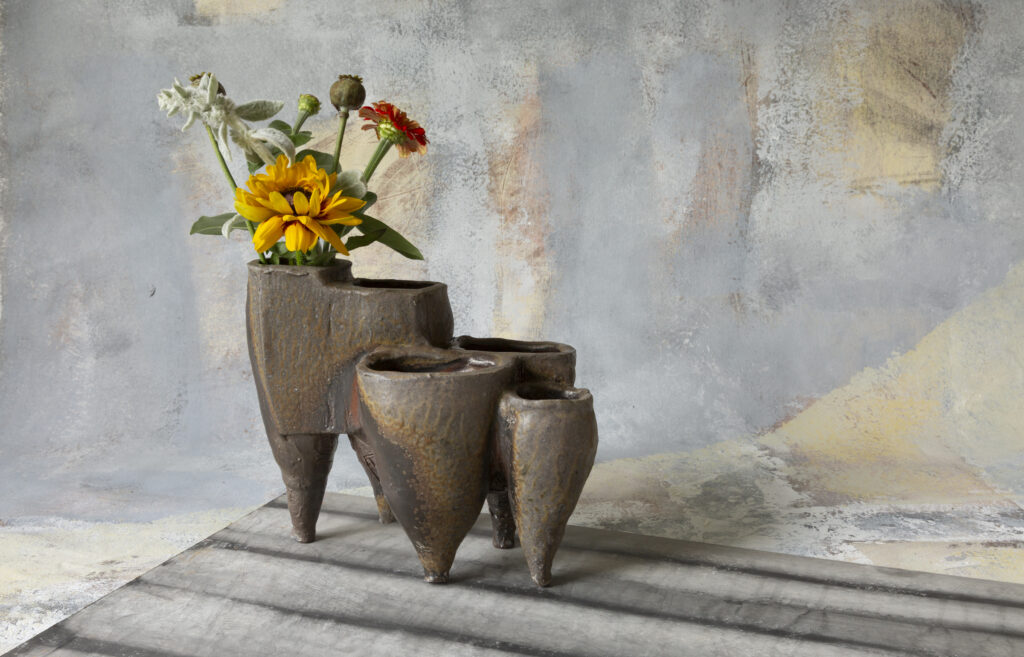
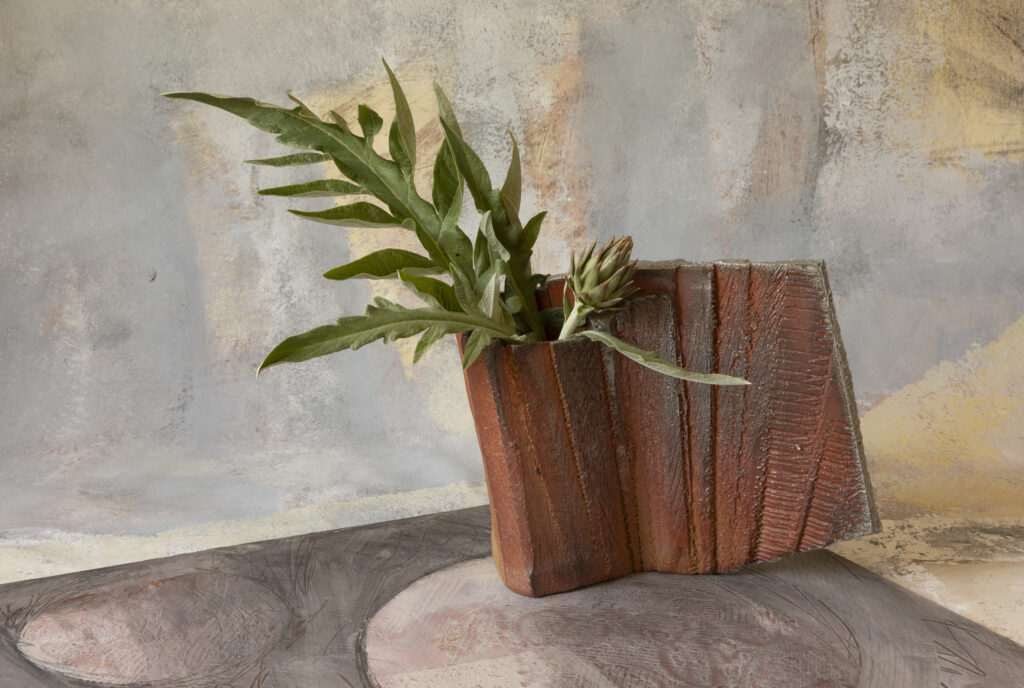
Month: June 2026

  • #16 summer shards 2026

    Recently, I came across some hand drawn maps I had made for my parents. By drawing these maps I was charting my own life as well as aiming to communicate the geography to my New York City based parents of the life Warren and I were imagining. I was not sure they understood the lines that connected the rolling hills of Virginia to their urban artist existence. The tentacles of our love enticed them to visit and once here they understood the water, dirt, and light.

    Maps
    for Marcelo


    Some maps have blue borders
    like the blue of your name
    or the tributary lacing of
    veins running through your
    father’s hands. & how the last
    time I saw you, you held
    me for so long I saw whole
    lifetimes flooding by me
    small tentacles reaching
    for both our faces. I wish
    maps would be without
    borders & that we belonged
    to no one & to everyone
    at once, what a world that
    would be. Or not a world
    maybe we would call it
    something more intrinsic
    like forgiving or something
    simplistic like river or dirt.
    & if I were to see you
    tomorrow & everyone you
    came from had disappeared
    I would weep with you & drown
    out any black lines that this
    earth allowed us to give it—
    because what is a map but
    a useless prison? We are all
    so lost & no naming of blank
    spaces can save us. & what
    is a map but the delusion of
    safety? The line drawn is always
    in the sand & folds on itself
    before we’re done making it.
    & that line, there, south of
    el rio, how it dares to cover
    up the bodies, as though we
    would forget who died there
    & for what? As if we could
    forget that if you spin a globe
    & stop it with your finger
    you’ll land it on top of someone
    living, someone who was not
    expecting to be crushed by thirst—

    —Yesenia Montilla,

  • #15 summer shards 2026

    Early this spring there was a goose nest below the studio. It was a tender exposed thing at the pond’s edge that I checked on each day. Then, one day the eggs were lost, the nest strewn apart, and the adult geese lurking on the pond. My emotions took me by surprise when that clutch of eggs was lost. Now with the trees as witness, there are several families of geese that wander closer and closer to the house and garden. I see and hear the geese everywhere.

    The Wild Geese

    They are not wisdom
    or freedom or history.
    They are not what’s lost.
    They are nothing but wild geese.
    I can hear them everywhere,
    wings pushing down metaphor.

    —Victoria Chang, from The Trees Witness Everything, Copper Canyon Press, 2022.

  • #14 summer shards 2026

    This month I have been making an effort to make a drawing a day in my sketchbook of recent work from the wood kiln. These are ten minute sketches with pen or pencil and a bit of watercolor. Later, I often add some acrylic paint to give the object a sense of place. The habit of drawing always teaches me more about the art of looking. I have been photographing these drawings and importing them to our iPad where I can hand letter bits of text. On one sketch of a Blade Moon I inscribed a T.S. Eliot quote, “between the idea and the reality is the shadow.” I shared these images with a group via Zoom on Saturday. I felt the images come alive as I read the words and my audience saw them. An organic understanding grew between teller and listener as I read and they responded.

    “Stories don’t exist on the page or in the mouth,” she [Jane Yolen] told The Boston Globe in 1987. “They exist between — between writer and reader, between teller and listener.”

    —Jane Yolen in Clay Risen, obituary for Jane Yolen in New York Times, 6/14/2026

    “The teaching of drawing is the teaching of looking.
    —David Hockney

  • #13 summer shards 2026

    This month I have been drawing every day as well as taking photos. It’s like I am carrying one more thing than my hands can hold. I aim to capture the recent pots, the birds I can hear in a 10 minute recording, the light, the poetic moment, and my green purse. I try not to spill my coffee and still capture the beauty and sorrow of these June days.

    Flowers

    This morning I was walking upstairs
    from the kitchen, carrying your
    beautiful flowers, the flowers you

    brought me last night, calla lilies
    and something else, I am not
    sure what to call them, white flowers,

    of course you had no way of knowing
    it has been years since I bought
    white flowers—but now you have

    and here they are again. I was carrying
    your flowers and a coffee cup
    and a soft yellow handbag and a book

    of poems by a Chinese poet, in
    which I had just read the words “come
    or go but don’t just stand there

    in the doorway,” as usual I was
    carrying too many things, you
    would have laughed if you saw me.

    It seemed especially important
    not to spill the coffee as I usually
    do, as I turned up the stairs,

    inside the whorl of the house as if
    I were walking up inside the lilies.
    I do not know how to hold all

    the beauty and sorrow of my life.

    —Cynthia Zarin, from Orbit: Poems, Alfred A. Knopf, 2017

  • #12 summer shards 2026

    I often make an analogy between reading poetry and reading pottery. When we read poetry we discover language that describes emotions, ideas, and feelings that are beyond words. I think of reading the qualities of pottery as something similar. We use the language of form, surface, scale, and heft—to name a few—to convey emotions, ideas, feelings that are beyond the strict confines of function.

    When the photographer Mitch Epstein was asked “what does it mean to look harder” his response was

    “It means to read pictures. We’re taught to read literature, but we’re not generally taught to read images. Photographs are used for so many different purposes, from journalism to advertising to family mementos. And I think remarkable photography insists upon a critical reading of a well-made picture’s layers, its conceptual tension, its historical depth. Much of the backstories of these pictures are embedded in the pictures themselves.

    My goal with the American Power series was to make pictures that weren’t simply illustrative, but would resonant metaphorically, that could speak to the paradox, complexity and confusion of our cultural relationship to energy; that could convey what’s at stake. Each picture stands alone, but they come together as a series to form a narrative that suggests the bigger picture.”

    —Mitch Epstein and Urban Omnibus , A Conversation with Mitch Epstein, Urban Omnibus, April 4, 2012

    2

  • #11 summer shards 2026

    I pick daylilies and can’t help but think of my mother. The mulching of memories are folded into my hands as I choose a pot. I often see her wrist in mine as I sweep the kitchen floor and race out the door to catch the sunset.

    Kissing the Opelu

    I am water, only because you are the ocean.

    We are here, only
    because old leaves have been falling.

    A mulching of memories folding
    into buried hands.

    The cliffs we learn to edge.
    The tree trunk hollowed, humming.

    I am a tongue, only because
    you are the body planting stories with thumb.

    Soil crumbs cling to your knees.
    Small stacks of empty clay pots dreaming.

    I am an air plant suspended, only
    because you are the trunk I cling to.

    I am the milky fish eye, only
    because it’s your favorite.

    Even the sound you make
    when your lips kiss the opelu
    socket is a mo‘olelo.

    A slipper is lost in the yard.
    A haku lei is chilling in the icebox.

    I am a cup for feathers, only
    because you want to fill the hours.

    I am a turning wrist, only
    because you left the hose on.

    Heliconias are singing underwater.
    Beetles are floating across the yard.

    Donovan Kūhiō Colleps, in Poetry, July/August 2016

  • #10 summer shards 2026

    For years I picked up the seed pods of redbud trees and made drawings of them in my sketchbooks. I like how they remind me of peas, and are specific to this time of year and my sense of place. Often, I forget to make the drawing and they sit in my pocket until they turn to dust or they languish on a plate when my intention to take a photograph falls short.

  • #9 summer shards 2026

    When our daughter was in elementary school she loved to go with us to the hardware store so she could collect paint swatch cards. At one point we used her collection to cover a small side table with all her favorite color names collaged under a piece of glass. She imagined her perfect job would be to name colors for a paint company. I always remember the smell of mixing clay, and the particular feeling of color created with each firing..

    Blue

    when I was young, I wanted to name paint samples.
                 varieties of blue like whispering night air, tragic
    lake. whites like echoing eggshell,

                 memory of light. yellow like nervous blossom,
    hay in afternoon sun. purple like shivering mountain
                laurel or green like air after rain.

    it’s said light blue
                 will keep birds from building—
    they believe it’s the sky.

                 but how could anyone not want to live in the sky?
    even mud daubers
                won’t create their clay pots

    on anywhere colored like flight.
                 disney paints buildings they want to hide
    in bye-bye blue—

                 the same color as the eyes
    of boys who knew how to love me
    if only I blended in

                 with their hands. when I was young,
    I painted my room blue hydrangea—
                 “dare” by the gorillaz played on my indigo radio

    & now when the song comes on
                as I’m driving my white car on the dusty backroads,
    I remember the smell of paint

                 & summer light. my old flame-
    point cat lying on the clear paint tarp.

    all those places I missed—
                 I wouldn’t notice until years later.

    —Laura Villareal, in Poetry, March 2023

  • #8 summer shards 2026

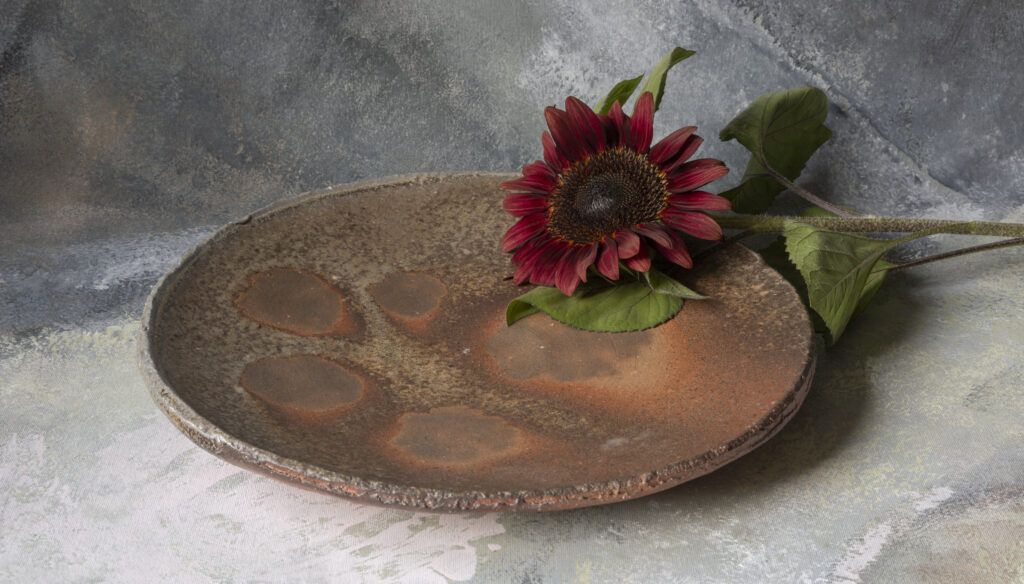
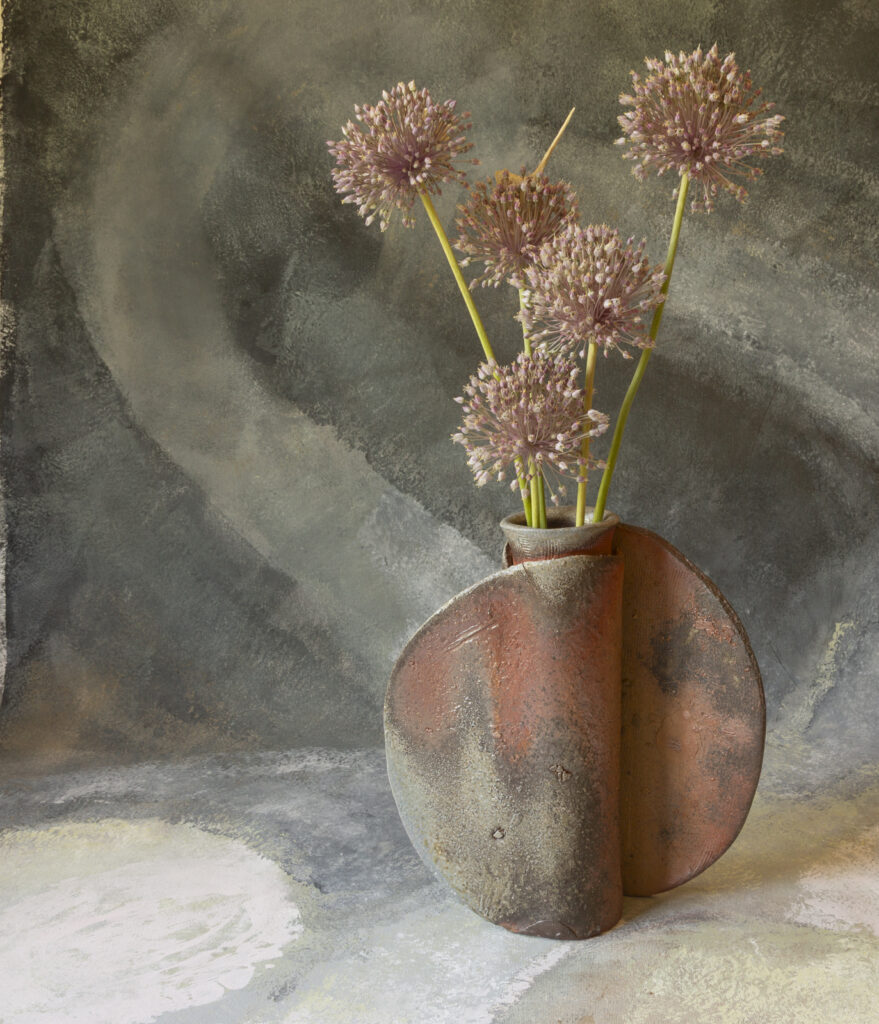
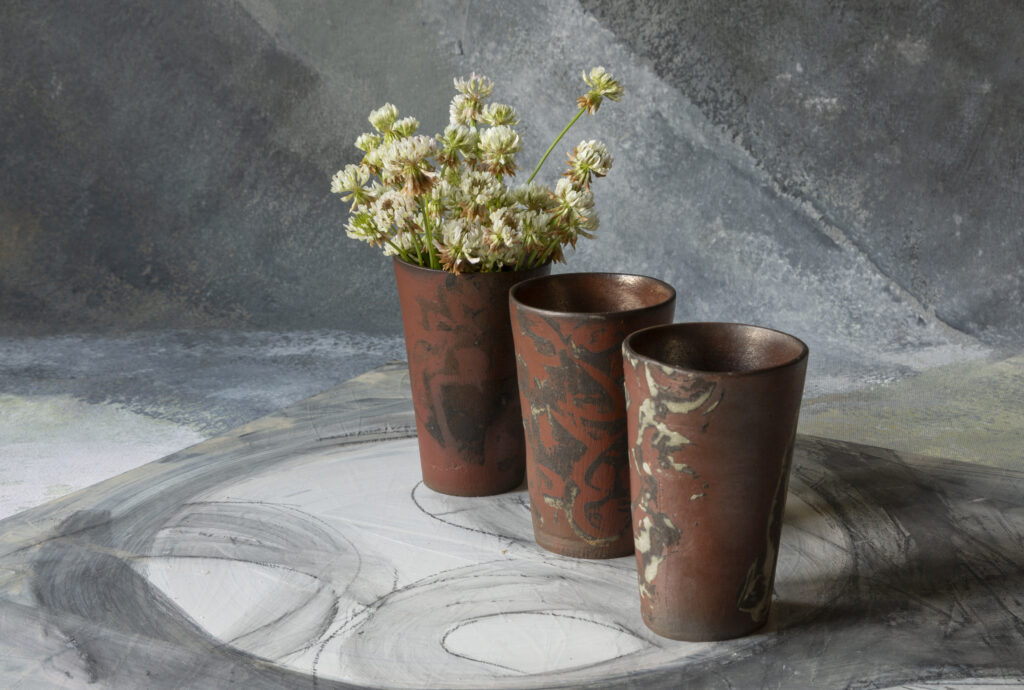
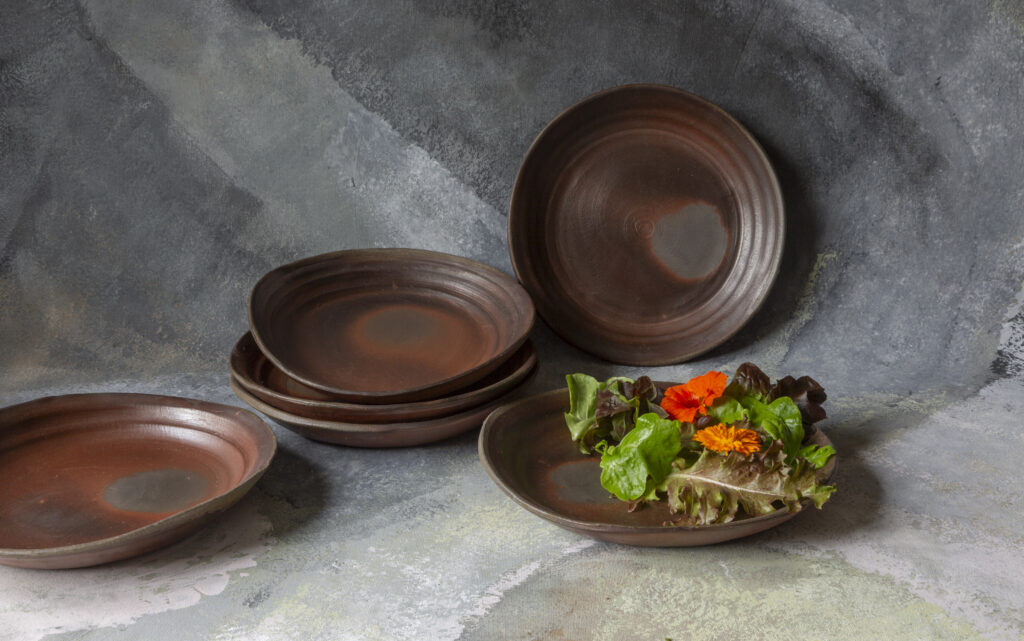
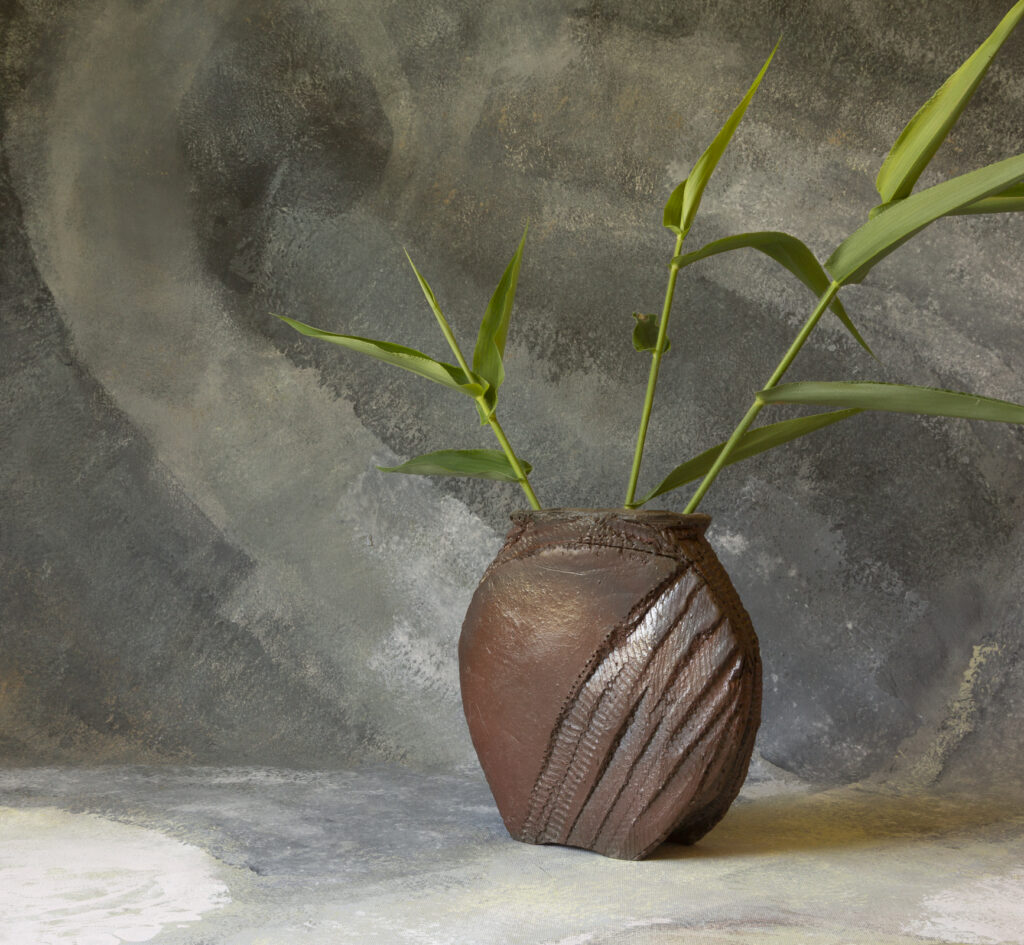
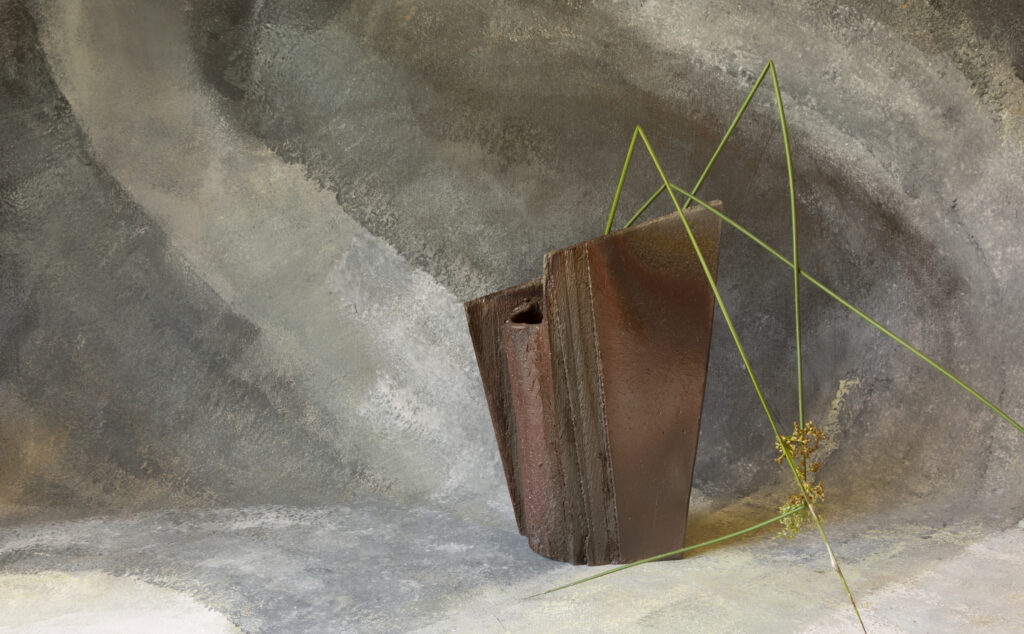
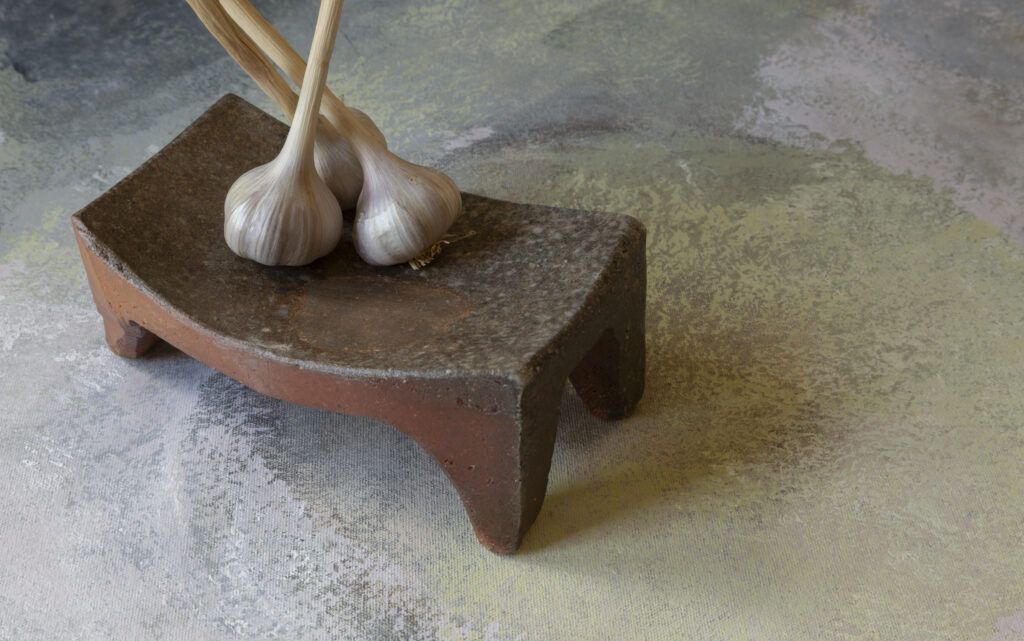
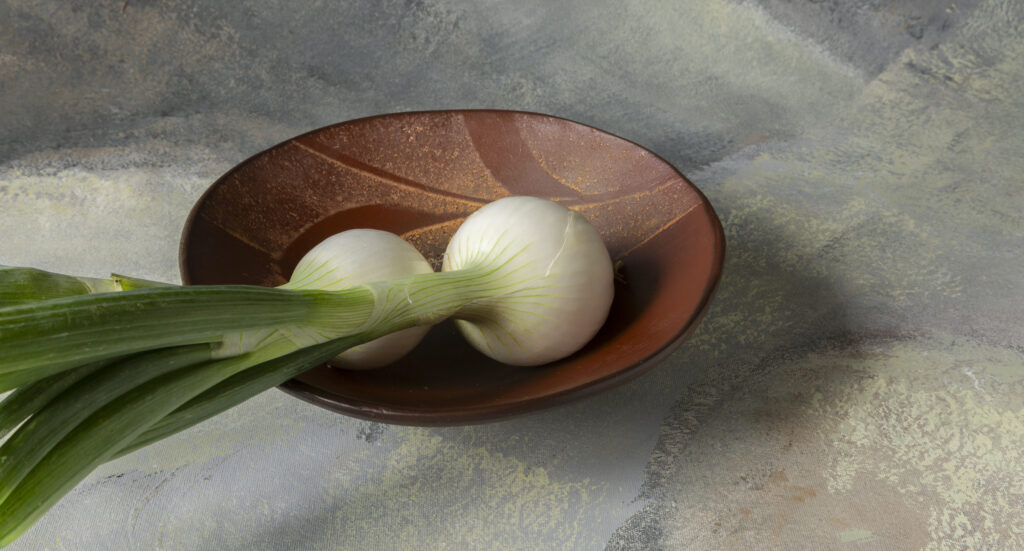
    One reason that I photograph my pots with food, flowers, or plant material I find in the garden is to convey that I intend for my work to be used. Making pots may be common as mud, but the imagination we bring to how we use things is limitless.

    To be of use

    The people I love the best
    jump into work head first
    without dallying in the shallows
    and swim off with sure strokes almost out of sight.

    They seem to become natives of that element,
    the black sleek heads of seals
    bouncing like half-submerged balls.

    I love people who harness themselves, an ox to a heavy cart,
    who pull like water buffalo, with massive patience,
    who strain in the mud and the muck to move things forward,
    who do what has to be done, again and again.

    I want to be with people who submerge
    in the task, who go into the fields to harvest
    and work in a row and pass the bags along,
    who are not parlor generals and field deserters
    but move in a common rhythm
    when the food must come in or the fire be put out.

    The work of the world is common as mud.
    Botched, it smears the hands, crumbles to dust.
    But the thing worth doing well done
    has a shape that satisfies, clean and evident.
    Greek amphoras for wine or oil,
    Hopi vases that held corn, are put in museums
    but you know they were made to be used.

    The pitcher cries for water to carry
    and a person for work that is real.

    —Marge Piercy, “To be of use” from Circles on the Water, Alfred A. Knopf, 1982

  • #7 summer shards 2026

    For the last several years I have made a few bowls which I call Caterpillar Bowls. They feel like the metamorphosis of a piece I made in my 7th grade ceramics class. When I brought mushrooms home from the farmers market Warren suggested I take a photo of them. Once placed in the bowl it was as if the existence of the mushroom was translated into the woodfired bowl itself.

    Each individual lives the story of his or her own existence—we “translate” our lives as we live them. In my case translated into objects: art and books.

    —Anne Truitt, YIELD: The Journey of an Artist, Yale University Press, 2022, page 3