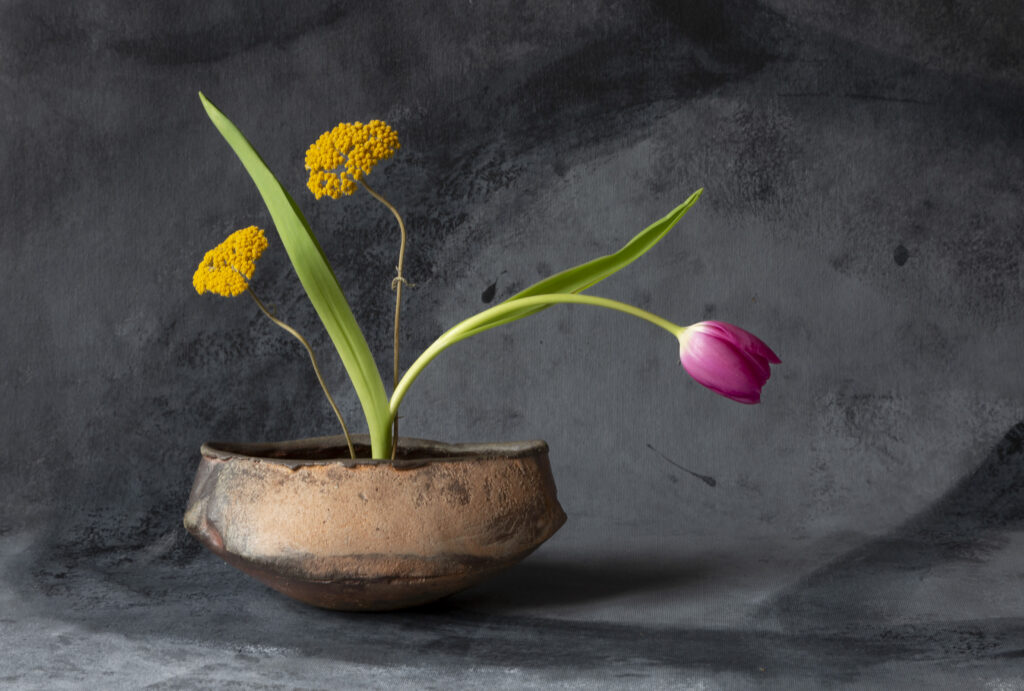
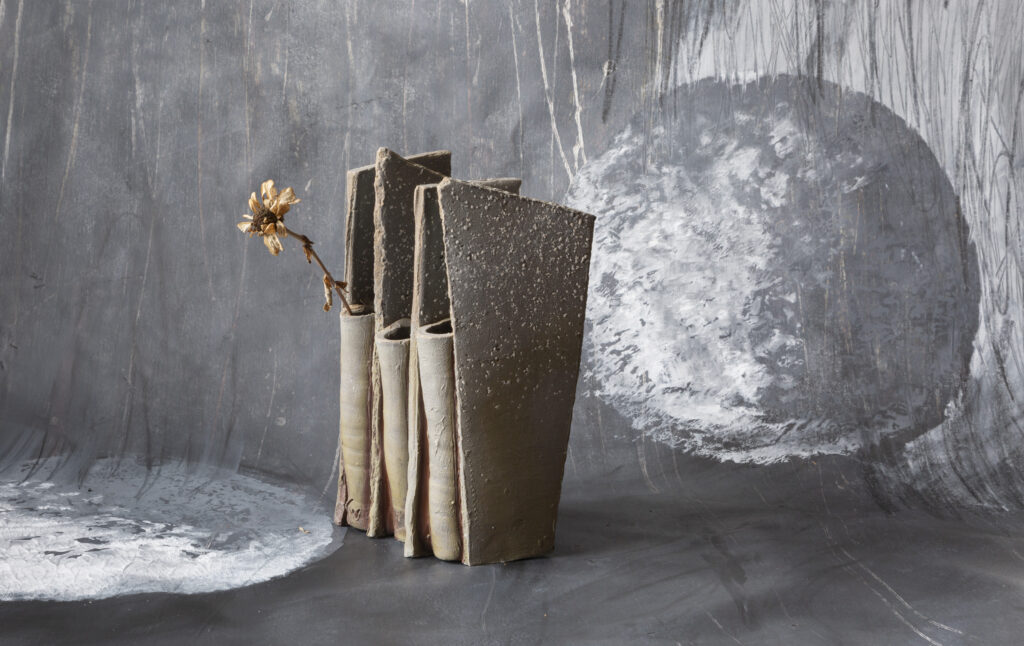
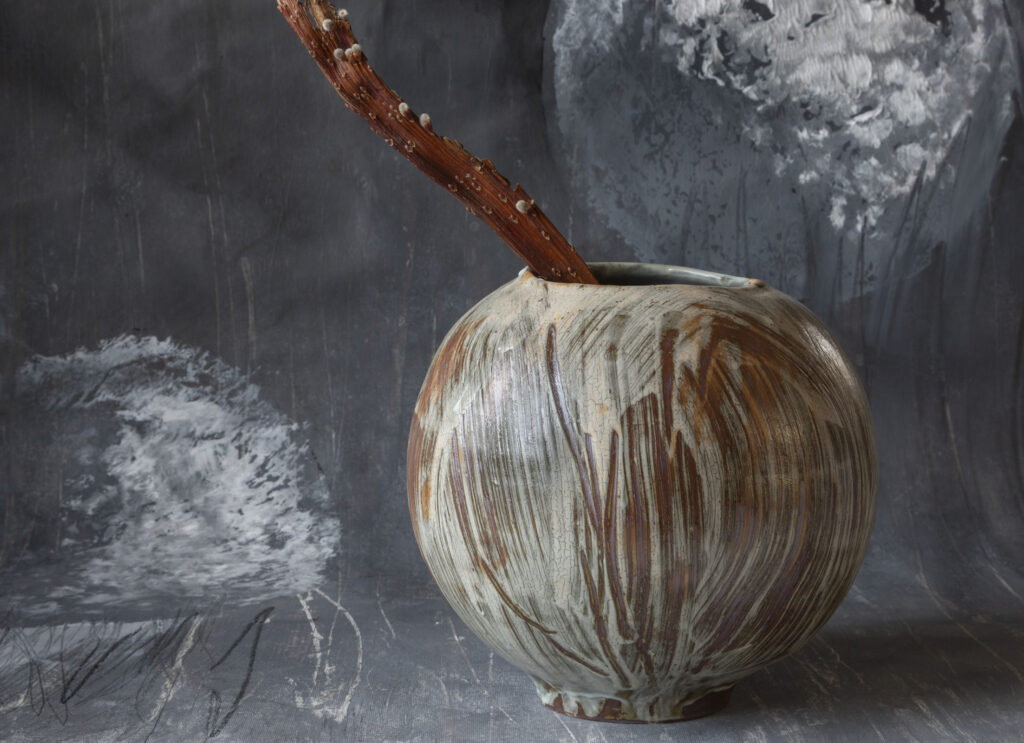
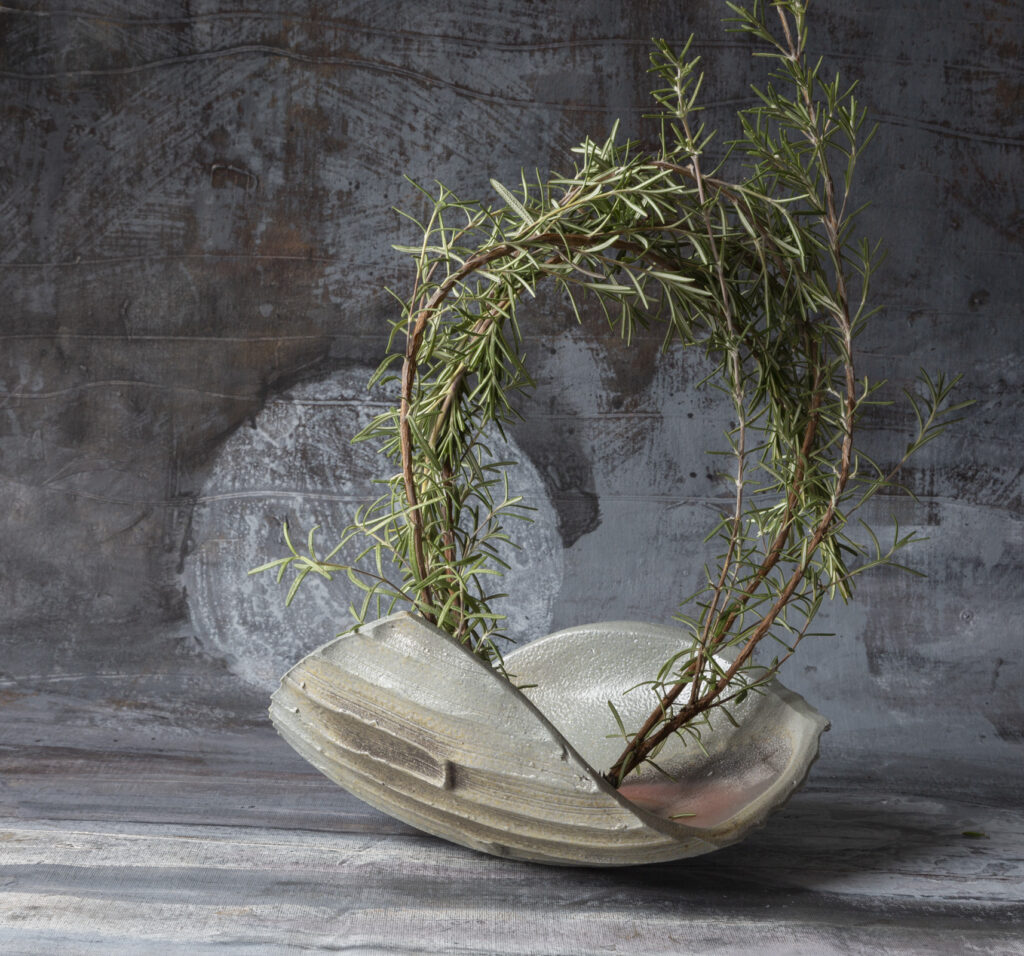
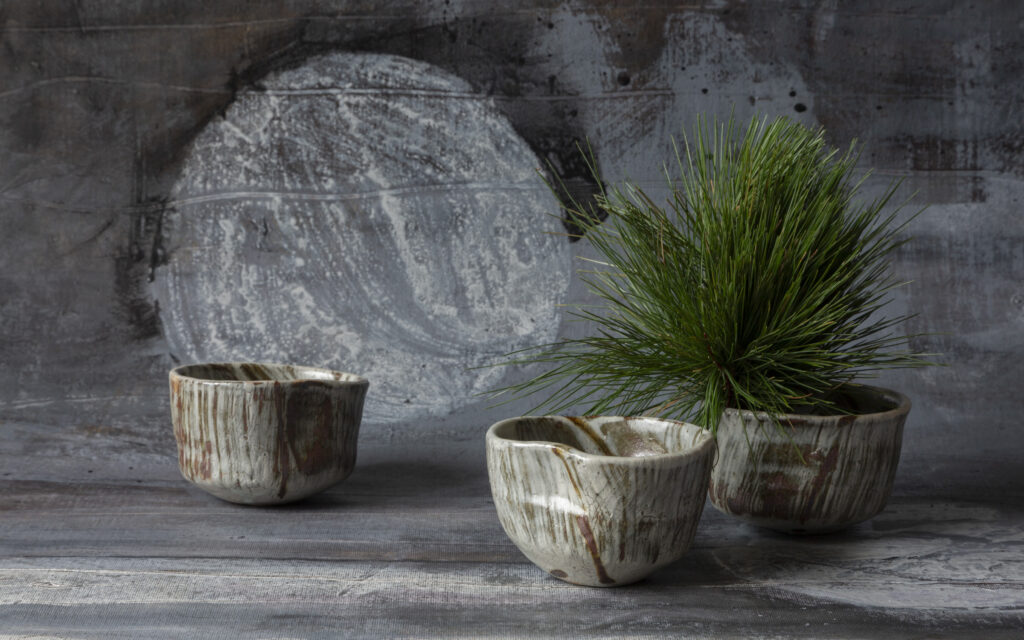
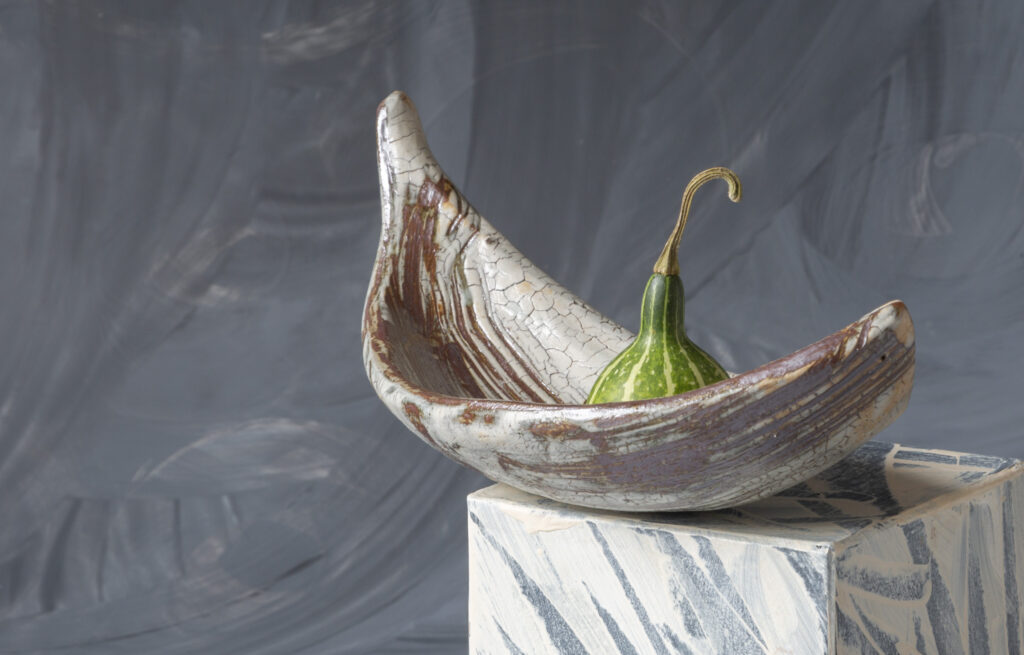
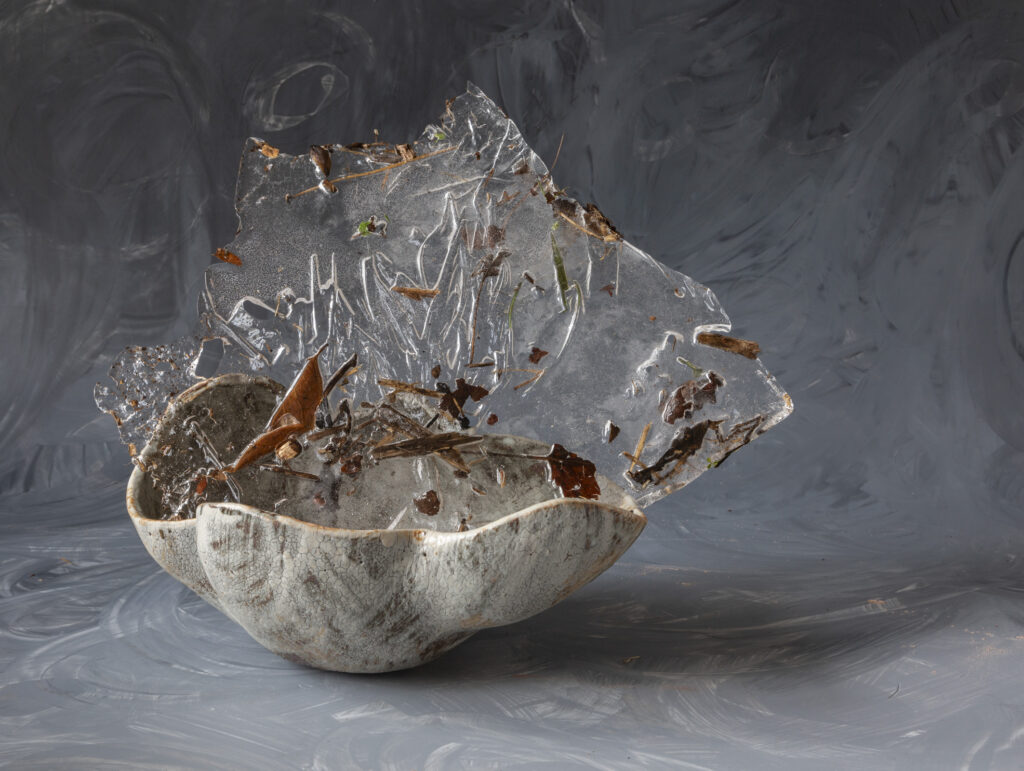
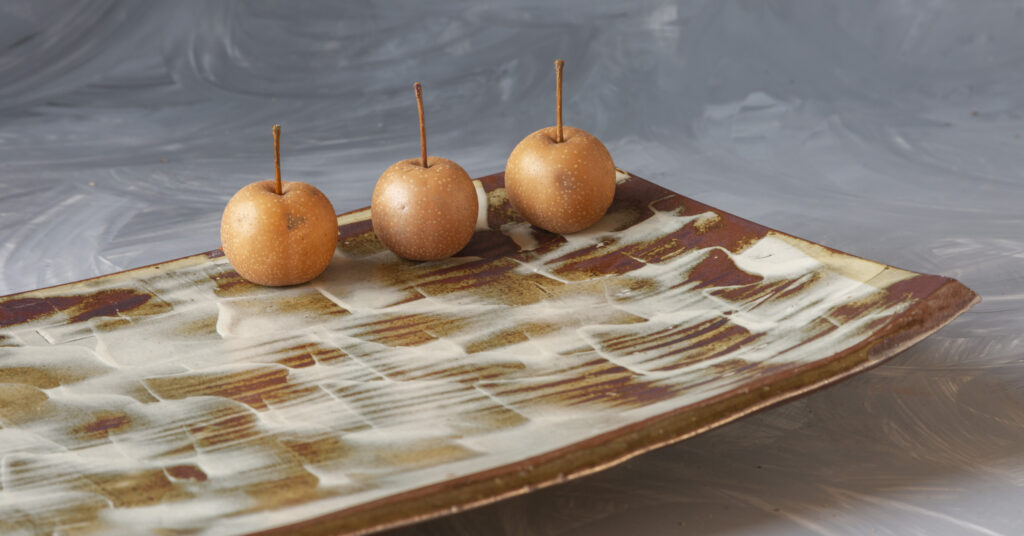
Today’s nine am diversion was taking Larkin to pick blueberries at our friend’s magnificent patch of high bush plants. For today’s late entertainment we made it to the pool at just 4:51 EDT, the moment that marks the solstice. As we slipped into the water it felt like the pause of the season. Our body temperatures dropped and we eased ourselves into summer mode. Even thought, scientifically, the solstice happened today, personally the solstice and longest day of the year is still marked for me on the 21st–so one more shard to come.
summer solstice
will be significant im going to release something soft and radiant and true into the world
–Jenny Zhang in My Baby First Birthday, Tin House Books, 2020
My family asked what I wanted to do for my birthday and I responded I wanted to go to the local river and wade in the water. I love having a routine and this week it is defined by our grandson who is 2 1/2. We wake a little earlier than normal and we nap more regularly. We splash a little more. Today, I forgot to take a net to the river to catch minnows, but maybe writing provides enough structure to capture the June light, the scent of the river, the coolness in temperature, and the way we all slowed down. Larkin took his time getting used to the spot. We walked up stream and placed rocks on a log in the middle of the river, and sat in the cool, slow current. Eventually, he got comfortable enough to bob and paddle a bit before it was time to come home for lunch.
On our evening dog walk my daughter asked what do I want to do with this year ahead of me. My response was that I want to keep swimming, do some juggling, spend more time in the studio, and do things that bring smiles to all of our faces. She said, “you already do most of that.” Hmm, yes, but I want to keep it up and make an even more blurred and beautiful pattern.
“How we spend our days is, of course, how we spend our lives. What we do with this hour, and that one, is what we are doing. A schedule defends from chaos and whim. It is a net for catching days. It is a scaffolding on which a worker can stand and labor with both hands at sections of time. A schedule is a mock-up of reason and order—willed, faked, and so brought into being; it is a peace and a haven set into the wreck of time; it is a lifeboat on which you find yourself, decades later, still living. Each day is the same, so you remember the series afterward as a blurred and powerful pattern.”
–Annie Dillard, in The Writing Life, Harper Perennial, 1989
In the evening before the sun goes down I like to step outside, sometimes to water, other evenings to empty the kitchen compost, or when there is a colorful sunset I walk to the top of the driveway. I remember my mother was always driven to see the sunset. It was if she expected to be saved by the changing light. I like to linger in the quiet after sunset hoping to see the moon. I don’t expect the light to save me, but I do love the ritual at the end of the day.
The Light Continues
Every evening, an hour before the sun goes down, I walk toward its light, wanting to be altered. Always in quiet, the air still. Walking up the straight empty road and then back. When the sun is gone, the light continues high up in the sky for a while. When I return, the moon is there. Like a changing of the guard. I don’t expect the light to save me, but I do believe in the ritual. I believe I am being born a second time in this very plain way.
–Linda Gregg, from In The Middle Distance: Poems by Linda Gregg, Graywolf Press, 2006
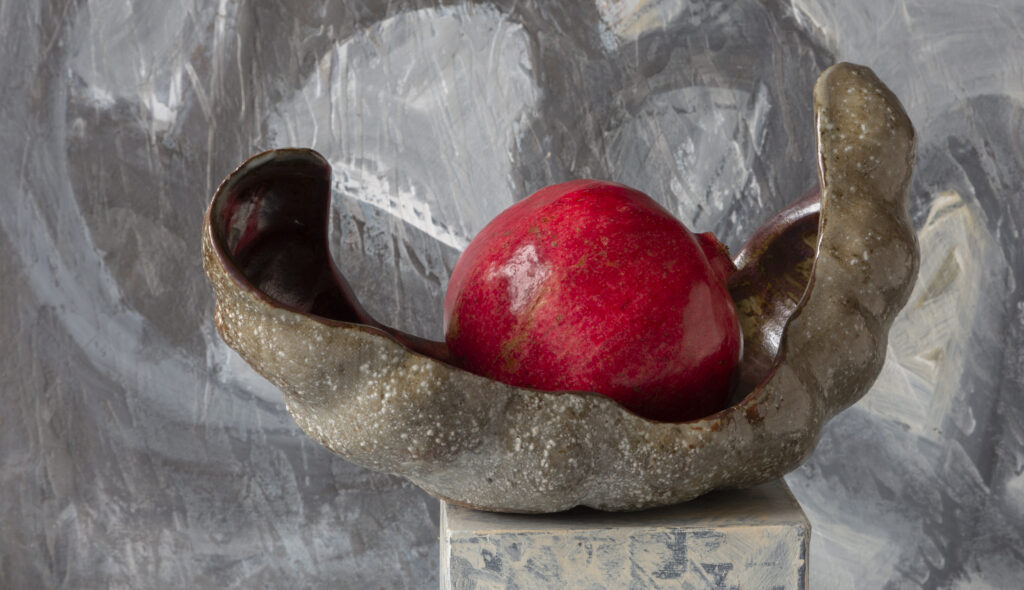
Garlic was harvested today, although not the pictured garlic. Cosmos seedlings planted, other plants watered, holes dug. Through all the process our job is to see beauty as well as the potential of how things can go terribly wrong. Life with a toddler is to love and be loved. It is also to find patience you never knew you could muster. There is such simple joy, beauty, power, emotion, strength, energy and exhaustion. We try to understand the perspective of the child, we watch, we empathize with the parents, we remember, and we imagine.
To love. To be loved. To never forget your own insignificance. To never get used to the unspeakable violence and the vulgar disparity of life around you. To seek joy in the saddest places. To pursue beauty to its lair. To never simplify what is complicated or complicate what is simple. To respect strength, never power. Above all, to watch. To try and understand. To never look away. And never, never to forget.
–Arundhati Roy, from The Cost of Living, Modern Library, 1999.
I remember when our daughter was eleven she flew to Maine by herself to stay with my parents on Heron Island for two weeks before we arrived. It was a huge adventure for all of us. She took one of my favorite photos–my mom blowing bubbles at sunset. I remember one night talking to her on my dad’s early bag phone. She was so excited to tell me that she had learned how snails move. I was glad to know she had slowed down enough to watch the snail emerge from its twisted shell and propel itself along a rock leaving a silver trail. It was the beginning of her going away from us into her own shadow ways, into the light of her life.
Snail
I go from you, I recede Not by steps violent But as a snail backing From the lewd finger of humanity
I go from you as a snail Into my twisted habitation.
And you! It does not matter how you React. I know the shadow-ways Of Self I know the last sharp bend And the volleyed light.
You are lost You can merely chase the silver I have let Fall from my purse, You follow silver And not follow me.
--Patrick Kavanagh, in Collected Poems, WW Norton, 1973
Our daughter Zoë arrived late last night with her husband and their two and a half year old son. It was a tough ride from NYC to our house. During the drive I’m told they debated if the late night drive was worth the effort. However, Larkin’s full day of digging in the driveway, a trip to the farmers market, watering the garden, a swim in our community pool, and dinner on the porch made the effort worth while. I have been deep in the summer memories of Zoë at this age. It’s so fun to reach forward and imagine what our grandson’s summers might hold.
Tonight, as we were saying goodbye at a weekend sale of paintings and other crafts I was introduced to another woman with the line, “do you know each other.” In fact, I did remember where and when we had met last fall and where she currently lives. These days my memory is like swiss cheese. I can be on solid ground remembering the names of esoteric Japanese potters and then I fall through a hole forgetting the name of my good friend’s daughter. But I also remember arguing with my mother in seventh grade when she would not let me go see the musical Hair. She said to me, “these are not the important things; you will not remember this.” But of course I do. Where now do I put this memory down, because of course she was right; it was not the important fact.
You remember too much, my mother said to me recently.
Why hold onto all that? And I said, Where can I put it down? She shifted to a question about airports.
–Anne Carson, from The Glass Essay; Whacher, (starting line 84) in “Glass, Irony, and God,” New Directions Press, 1995
My mother died twenty years ago this summer. She died of a heart attack in her sleep and it was a great shock. Later I came to understand it was a blessing due to her failing memory, but for months afterwards I wanted to hear from her in my dreams. When she finally appeared in a dream I was so excited I woke myself up. These days she comes to me in my dreams in her nightgown searching for candles in the loft on Sullivan Street. Or sometimes we are talking on my grandmother’s screened porch on Long Island. Last night I dreamt I was shopping for geraniums to put in her pocket to take on a plane to Heron Island in Maine. It was a hard task as the dead are difficult to shop for.
Peas masquerading as geraniums
Marigold
I have the sun’s eye one minute— the next, I’m going to bed with it. Last night, I dreamed of rosemary, for remembrance and for a baby
born to a woman who lived in an apartment building. In the dream, the dead and I said goodbye at the door. I tried to buy a magazine
in a drugstore, but nothing was easy. Nothing is easy when you’re shopping for the dead. Maybe toys, I thought, as I passed some boys playing
by the side of a road. Maybe a gold key with which to open a coffin lid. I woke to find none of the bodies inside were alive outside the dream.
–Mary Jo Bang, The New Yorker, June 3, 2024, page 42
Over the last week as I drive and walk I see daylilys along the roadsides, in ditches, or garden beds. To me they signal summer. They also make me think of my mother. She liked to pick a single blossom and stick it in a cup. It seemed like a flower brought into the house created its own vibration. My mother taught me about the art of everyday things–the ritual of plates on the table, the flowers in the cup, a plant on the window sill, the child in the playground, quick words on a page, and always a sunset to be seen. All were part of the poetic correspondence of everyday things. The daylily was a thing to draw and a thing to celebrate.
I Wanted Music
I wanted music yes
but I also wanted the music
of everyday things
a plate an arm some dirt a chair
how a plant is related to a window
how a window is related to a chair
small words with purpose
correspondences
of everyday things
the music of combustible objects
one day ending
not tracking for posterity
but loosening like a fig
--Sarah Ruhl in Max Ritvo and Sarah Ruhl, Letters From Max: A Poet, A Teacher, A Friendship, Milkweed Editions, 2019
The air today felt like we were near the shore. It could have been Maine, California, or Long Island, New York. Warren and I went a mile down the road to share a meal with friends. Then we wandered out to their blueberry patch to pick at dusk. I felt a bit like Sal in the children’s book, Blueberries for Sal by Robert McCloskey, by putting one berry in my bucket for every three that I ate while my friend focused on picking efficiently. It was fun to be the child.
“her mother walked slowly through the bushes, picking blueberries as she went and putting them in her pail. Little Sal struggled along behind, picking blueberries and eating every single one.”
–Robert McCloskey, from Blueberries for Sal, Viking Books, 1948