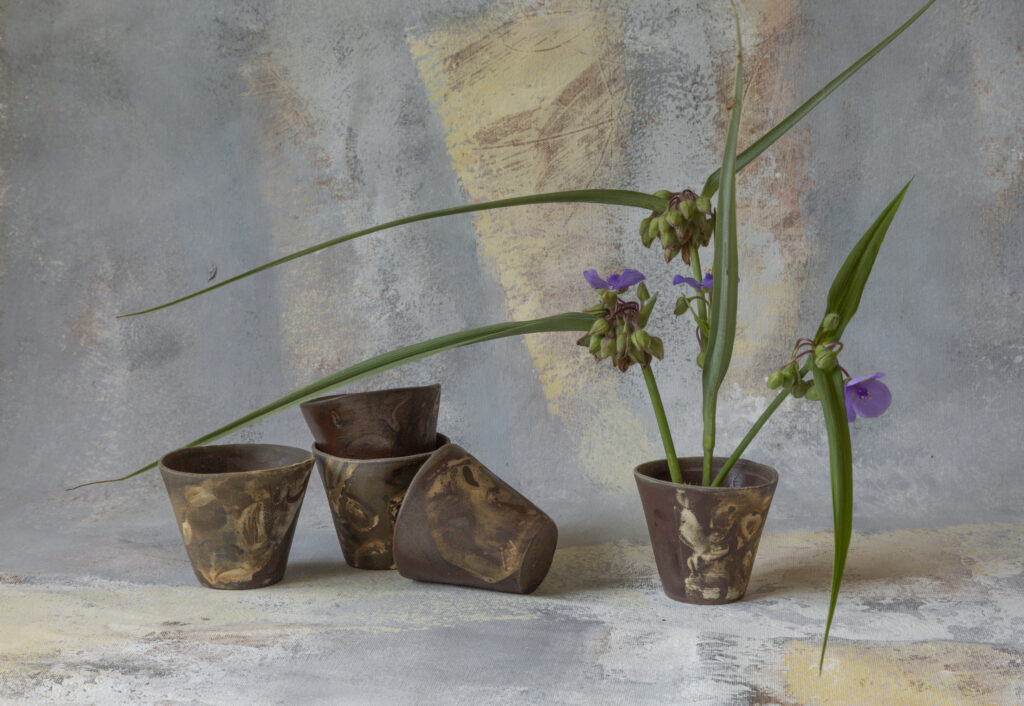
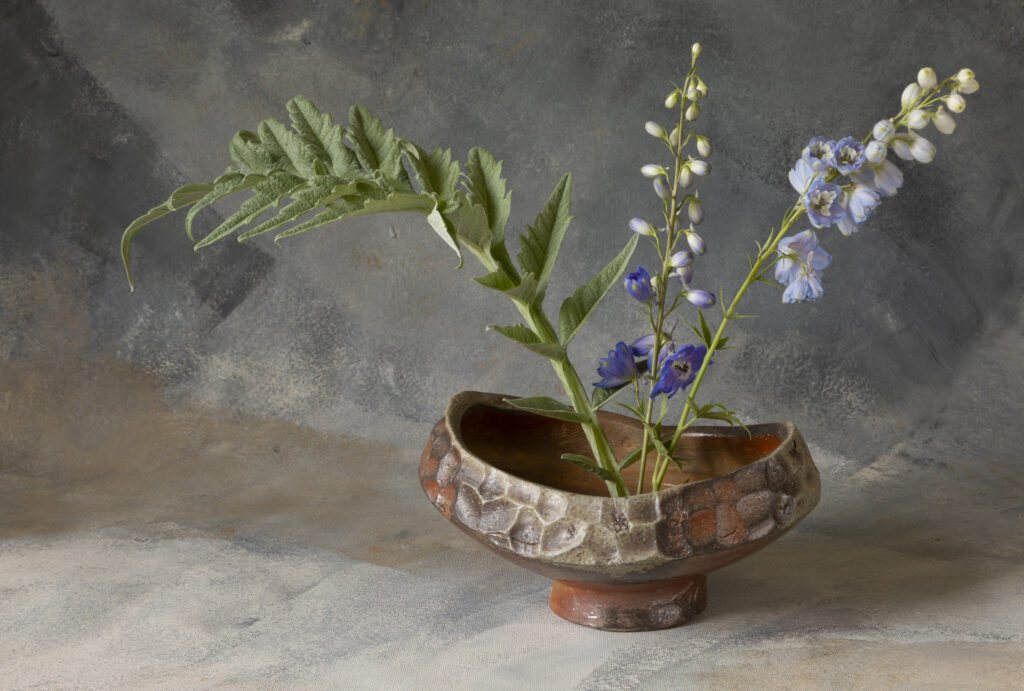
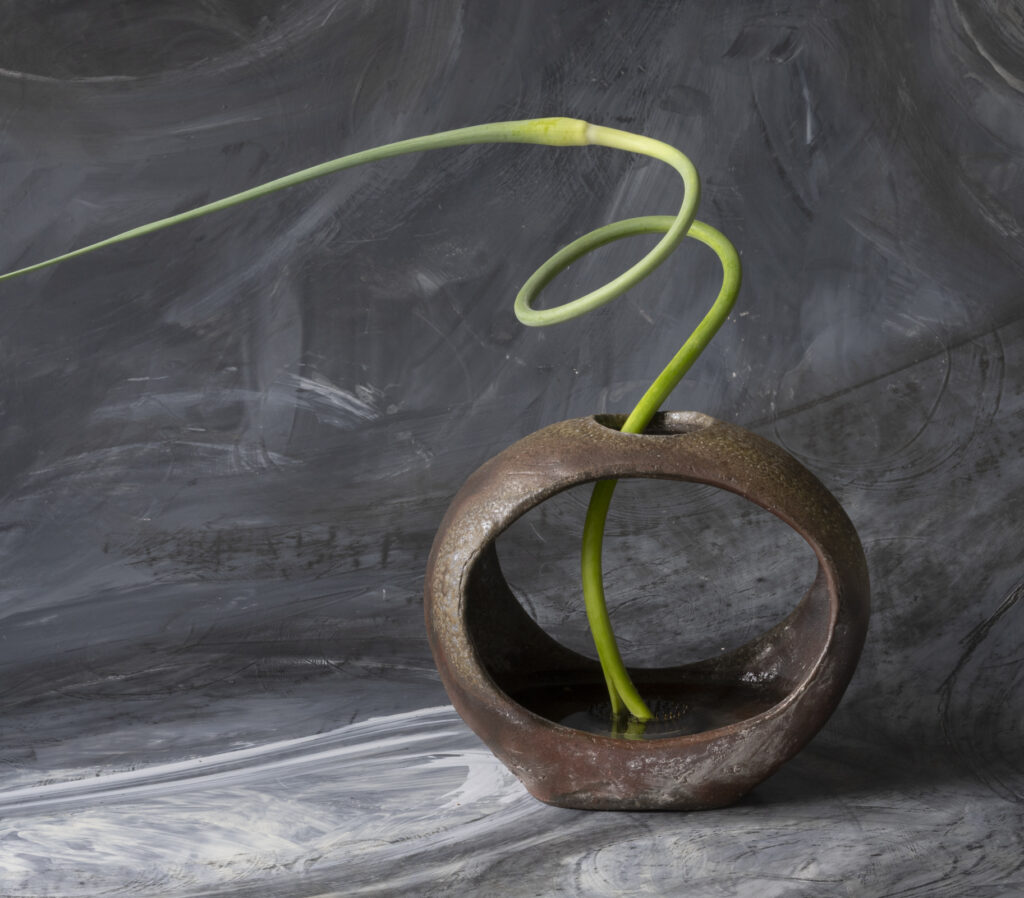
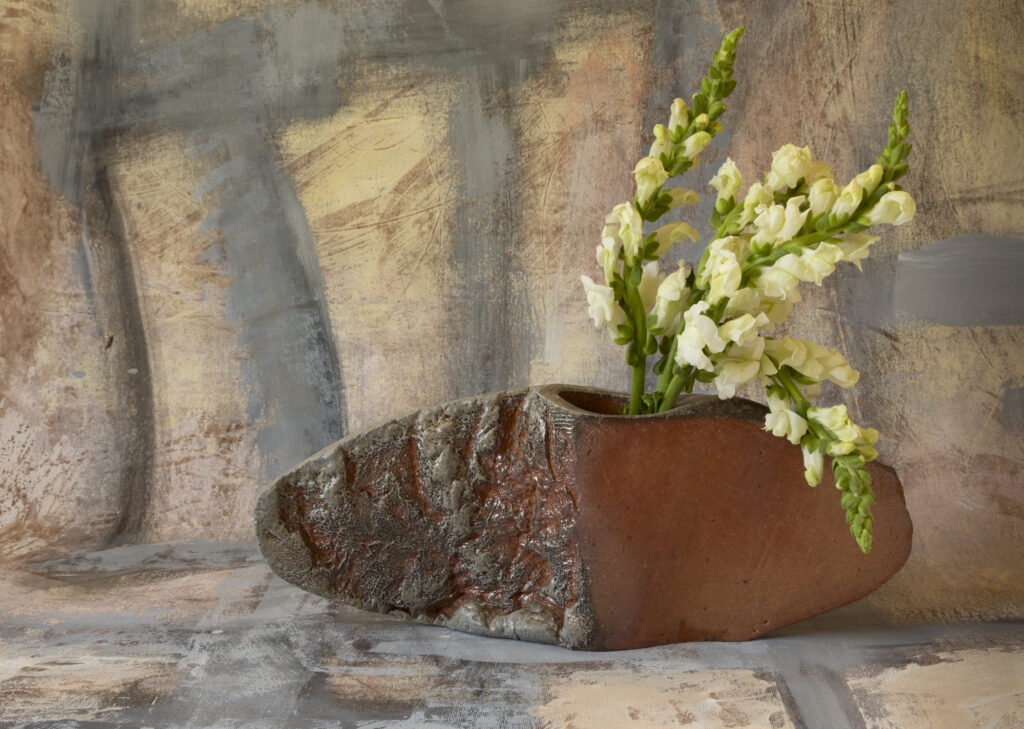
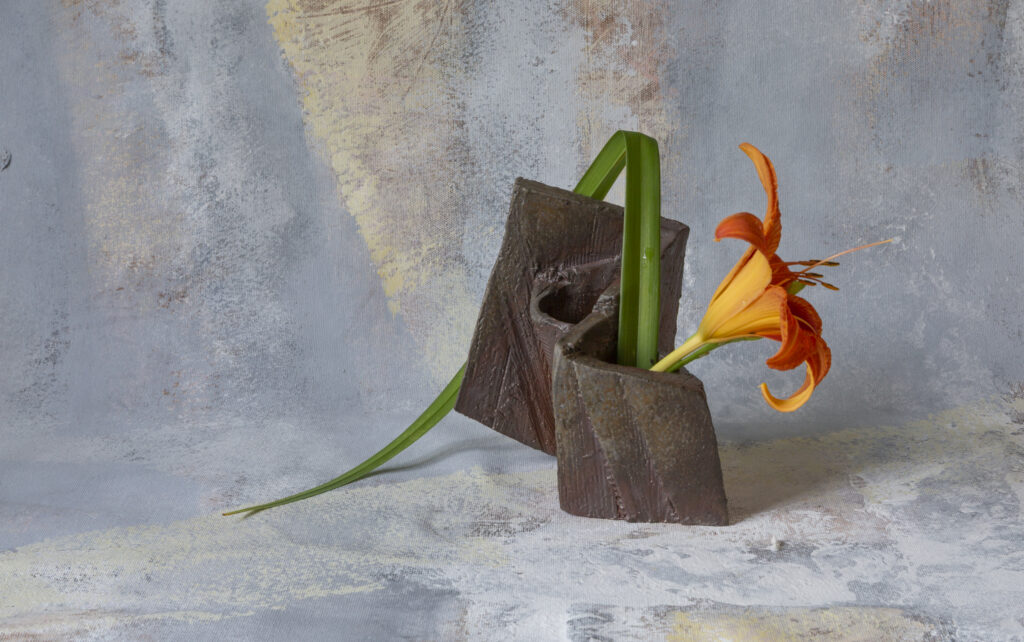
I pick daylilies and can’t help but think of my mother. The mulching of memories are folded into my hands as I choose a pot. I often see her wrist in mine as I sweep the kitchen floor and race out the door to catch the sunset.
Kissing the Opelu
I am water, only because you are the ocean.
We are here, only
because old leaves have been falling.
A mulching of memories folding
into buried hands.
The cliffs we learn to edge.
The tree trunk hollowed, humming.
I am a tongue, only because
you are the body planting stories with thumb.
Soil crumbs cling to your knees.
Small stacks of empty clay pots dreaming.
I am an air plant suspended, only
because you are the trunk I cling to.
I am the milky fish eye, only
because it’s your favorite.
Even the sound you make
when your lips kiss the opelu
socket is a mo‘olelo.
A slipper is lost in the yard.
A haku lei is chilling in the icebox.
I am a cup for feathers, only
because you want to fill the hours.
I am a turning wrist, only
because you left the hose on.
Heliconias are singing underwater.
Beetles are floating across the yard.
—Donovan Kūhiō Colleps, in Poetry, July/August 2016