Category: rough ideas

  • #21 summer shards

    The longest day of the year is here and it’s time for a pause. Time to trust the hours that have carried us forward into dusk and these long days.
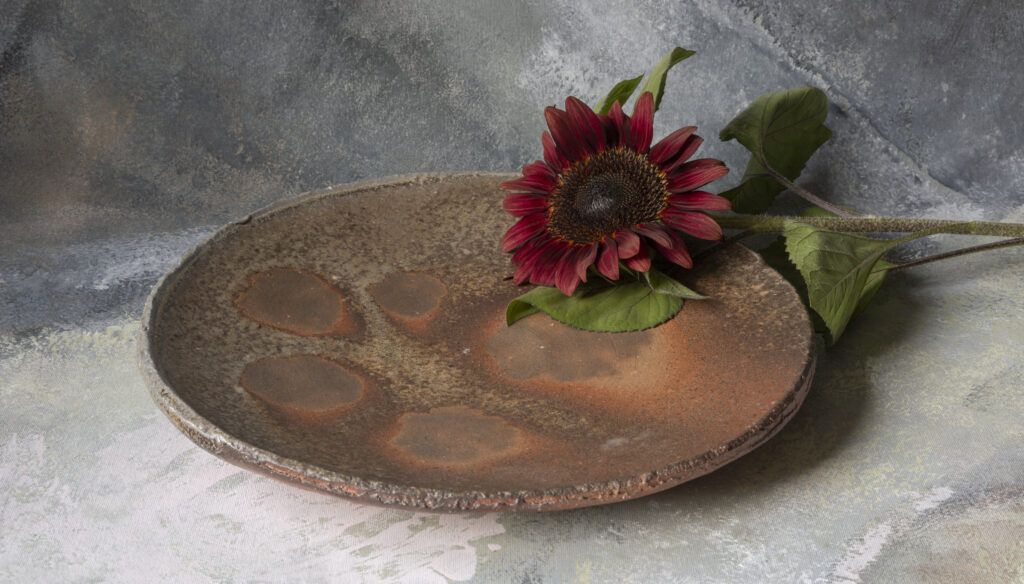
    Wait

    Wait, for now.
    Distrust everything if you have to.
    But trust the hours. Haven’t they
    carried you everywhere, up to now?
    Personal events will become interesting again.
    Hair will become interesting.
    Pain will become interesting.
    Buds that open out of season will become interesting.
    Second-hand gloves will become lovely again;
    their memories are what give them
    the need for other hands. The desolation
    of lovers is the same: that enormous emptiness
    carved out of such tiny beings as we are
    asks to be filled; the need
    for the new love is faithfulness to the old.

    Wait.
    Don’t go too early.
    You’re tired. But everyone’s tired.
    But no one is tired enough.
    Only wait a little and listen:
    music of hair,
    music of pain,
    music of looms weaving our loves again.
    Be there to hear it, it will be the only time,
    most of all to hear your whole existence,
    rehearsed by the sorrows, play itself into total exhaustion.

    —Galway Kinnell. from Mortal Acts, Mortal Words, Mariner Books, 1980.
  • #20 summer shards

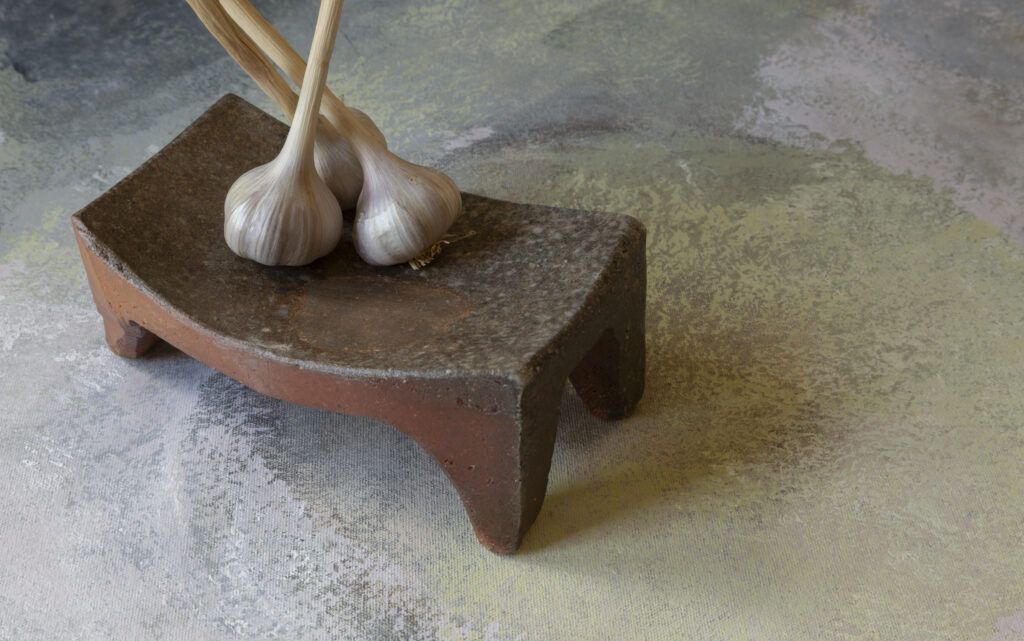
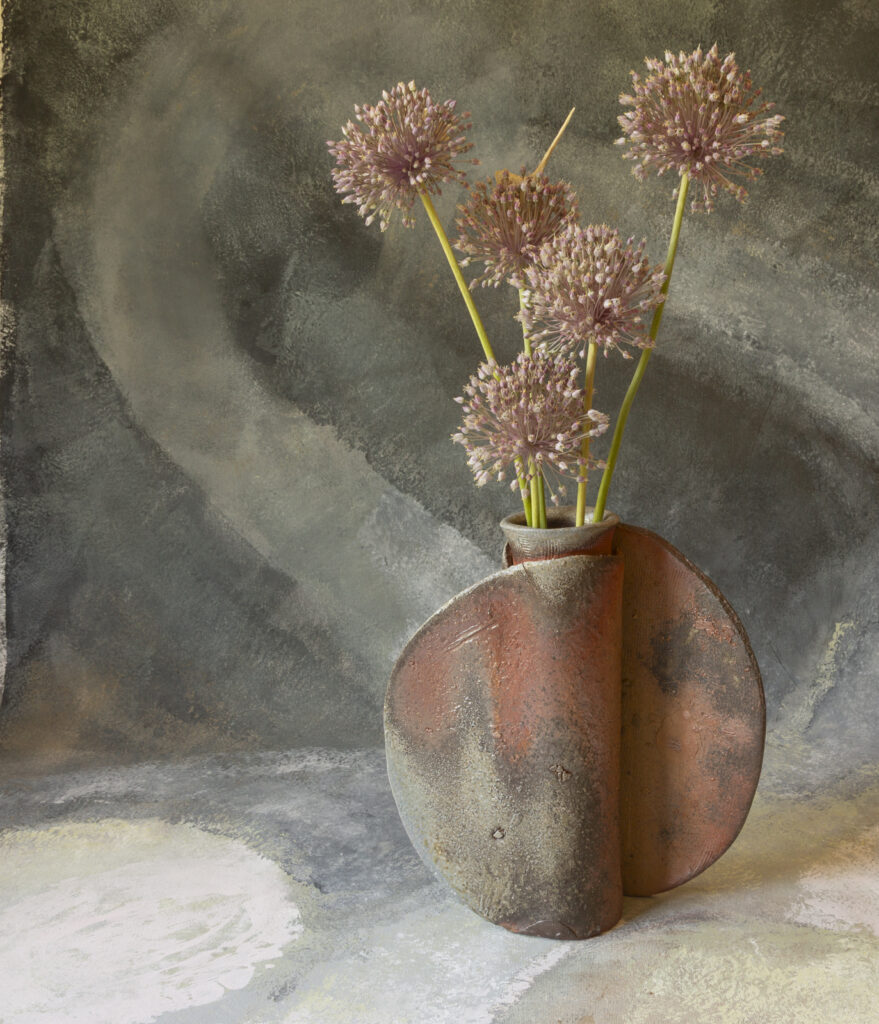
    A full day of welcoming friends to see our work, followed by a lingering dinner on the porch with a long discussion of how we see colors, especially the qualities of June sun shafts of blues and greens. The memory of moons in my pots dance with the fireflies as the vast softness of the evening settles.

    Elephant Garlic flowers

    After Many Springs

    Now,
    In June,
    When the night is a vast softness
    Filled with blue stars,
    And broken shafts of moon-glimmer
    Fall upon the earth,
    Am I too old to see the fairies dance?
    I cannot find them any more.


    —Langston Hughes, from The Weary Blues, 1926

  • #19 summer shards 2026

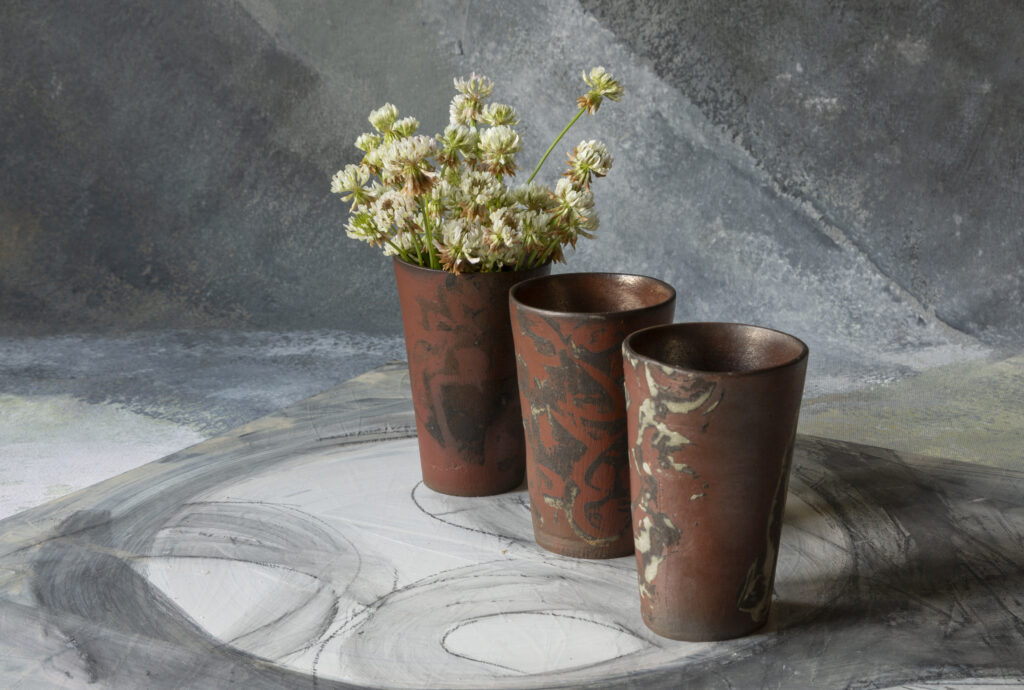
    At the end of my morning dog walk I picked this little clump of clover. I hesitate to call it a bouquet. I was thinking about babies, birth, and birthdays. I was dreaming about the childlike gifts of fistfuls of blossoms, the kind of thing that we all gave to our mothers at one point or another.

    Poem to Watch Over You

    The day you were born was the shortest of the year or the longest,
    there was a rain storm or hail or it was a cloudy or cloudless night
    and your mother or your birth mother or your father or your birth
    father or your life giver was reading at home, was on their way
    back from the store was on their way to work, had no place to go,
    was dreaming of you when you woke them, when it was time,
    when you were ready to arrive, to escape, to see what the fuss was
    about. On the way to the hospital, on the way home, on the way to
    the midwife, or the bathtub, in the back of the ambulance, taxi
    or parking lot, on the side of a hill, we received you, pulled you
    through, held you, made an opening and whispered, shouted, urged,
    pleaded. You are welcome, you are welcome, you are welcome.
    There were no requirements nor identification nor documentation,
    you were born without restriction. Not even the supernatural could
    hold you back, bold thing, from this oblivion.

    —Omotara James, from Song of My Softening

  • #18 summer shards 2026

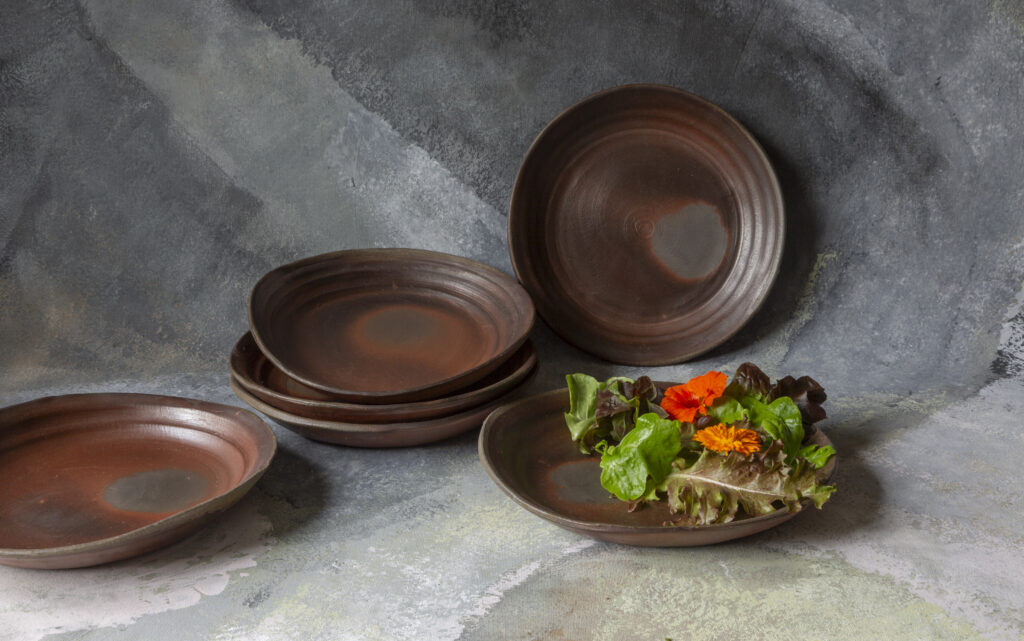
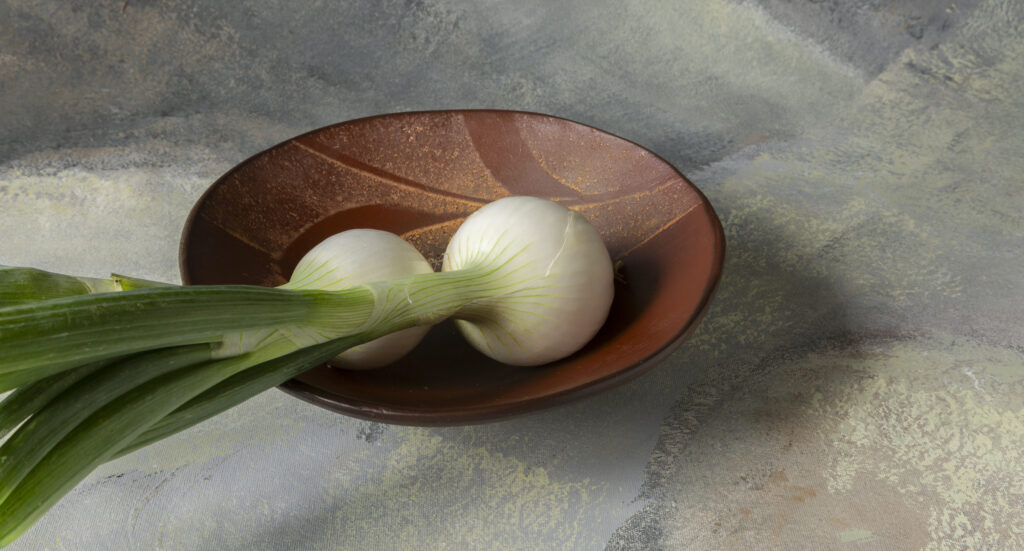
    May your portions of salad green be generous. May you have beautiful plates upon which to serve your meal.

    I speak with the future.

    We sit on our skeletons’ bones. 
    We hear with our skeletons’ bones.
    We speak of beauty by moving our jaws and our teeth.

    The original meaning of Paradise: a place, 
    a walled garden. 
    Our lives, our stories, this hour inside one.
    A staircase from Piranesi. A hummingbird drinking.

    Outside it, vanishing species and rivers.
    Outside it, Nanjing, Ninevah, Dresden.
    Outside it, Gaza, Sudan, Myanmar, Kyiv. Here.

    The world starts and ends, starts, ends, ends again,
    restarts.  

    A kalpa is brief, and wall-less.

    Unborn ones, take nothing for granted.
    Not nectar, not thirst.

    May your lives be uneclipsed, your failures be passing.

    May you have your portions of beauty, of grief, 
    in a garden whose plants and birds I cannot imagine. 

    —Jane Hirshfield, from Poem-a-Day, March 30, 2026, Academy of American Poets

  • #17 summer shards 2026

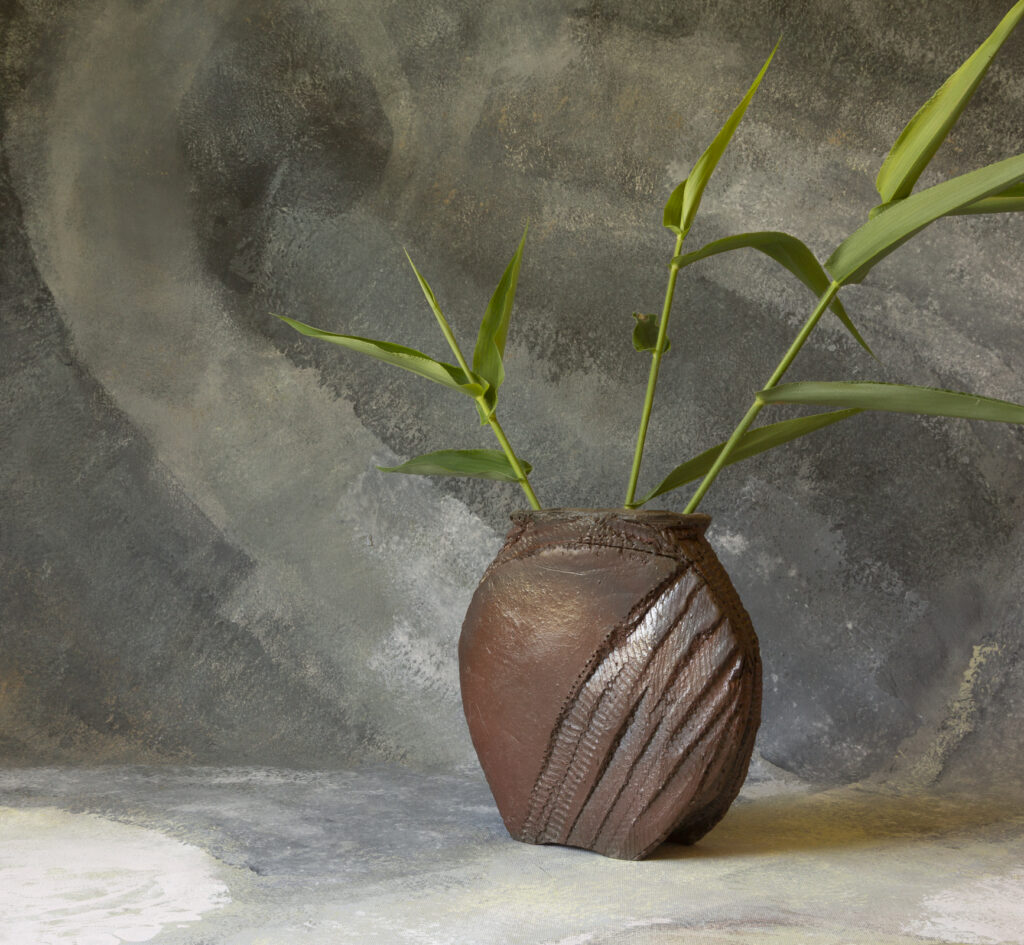
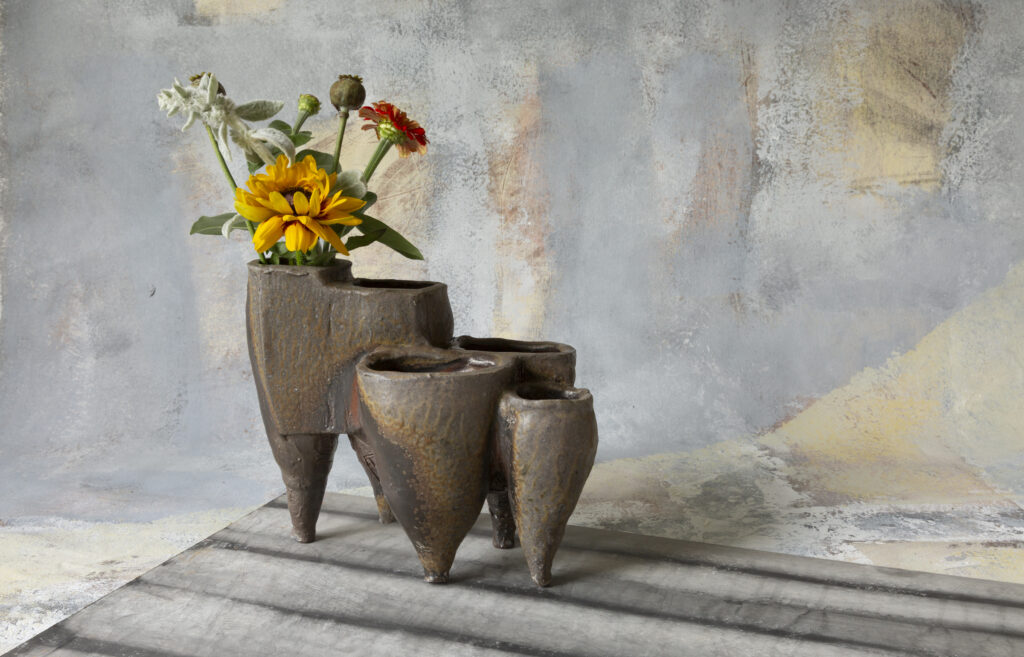
    I make an effort to give my pots names. When we are loading the wood kiln it helps to be able to say—”hand me the small moon vase” or the large “sandwich vase.” I remember in 2013 when Warren and I were preparing for an exhibit of plates at Omen-Azen Mikio pressed us to come up with poetic names for each series of plates. At that point in time I thought of names in terms of clay, firing, or process, but he encouraged us to think of our pots like witnesses to nature. No matter if the piece felt ancient or classical Mikio nurtured us to find mysterious names that were beyond the material.

    Deer Tongue Grass
    Pluto
    
    Don't feel small. We all have
    been demoted. Go on being
    
    moon or rock or orb, buoyant
    and distant, smallest craft ball
    
    at Vanevenhoven's Hardware 
    spray-painted purple or day-glow
    
    orange for a child's elliptical vision
    of fish line, cardboard and foam.
    
    No spacecraft has touched you,
    no flesh met the luster of your
    
    heavenly body. Little cold one, blow
    your horn. No matter what you are
    
    planet, and something other than
    planet, ancient but not "classical,"
    
    the controversy over what to call you
    light-hours from your ears. On Earth
    
    we tend to nurture the diminutive,
    root for the diminished. None 
    
    of your neighbors knows your name.
    Nothing has changed. If Charon's
    
    not your moon, who cares? She
    remains unmoved, your companion.
    
    —Maggie Dietz, from That Kind of Happy, University of Chicago Press, 2016
  • #16 summer shards 2026

    Recently, I came across some hand drawn maps I had made for my parents. By drawing these maps I was charting my own life as well as aiming to communicate the geography to my New York City based parents of the life Warren and I were imagining. I was not sure they understood the lines that connected the rolling hills of Virginia to their urban artist existence. The tentacles of our love enticed them to visit and once here they understood the water, dirt, and light.

    Maps
    for Marcelo


    Some maps have blue borders
    like the blue of your name
    or the tributary lacing of
    veins running through your
    father’s hands. & how the last
    time I saw you, you held
    me for so long I saw whole
    lifetimes flooding by me
    small tentacles reaching
    for both our faces. I wish
    maps would be without
    borders & that we belonged
    to no one & to everyone
    at once, what a world that
    would be. Or not a world
    maybe we would call it
    something more intrinsic
    like forgiving or something
    simplistic like river or dirt.
    & if I were to see you
    tomorrow & everyone you
    came from had disappeared
    I would weep with you & drown
    out any black lines that this
    earth allowed us to give it—
    because what is a map but
    a useless prison? We are all
    so lost & no naming of blank
    spaces can save us. & what
    is a map but the delusion of
    safety? The line drawn is always
    in the sand & folds on itself
    before we’re done making it.
    & that line, there, south of
    el rio, how it dares to cover
    up the bodies, as though we
    would forget who died there
    & for what? As if we could
    forget that if you spin a globe
    & stop it with your finger
    you’ll land it on top of someone
    living, someone who was not
    expecting to be crushed by thirst—

    —Yesenia Montilla,

  • #15 summer shards 2026

    Early this spring there was a goose nest below the studio. It was a tender exposed thing at the pond’s edge that I checked on each day. Then, one day the eggs were lost, the nest strewn apart, and the adult geese lurking on the pond. My emotions took me by surprise when that clutch of eggs was lost. Now with the trees as witness, there are several families of geese that wander closer and closer to the house and garden. I see and hear the geese everywhere.

    The Wild Geese

    They are not wisdom
    or freedom or history.
    They are not what’s lost.
    They are nothing but wild geese.
    I can hear them everywhere,
    wings pushing down metaphor.

    —Victoria Chang, from The Trees Witness Everything, Copper Canyon Press, 2022.

  • #14 summer shards 2026

    This month I have been making an effort to make a drawing a day in my sketchbook of recent work from the wood kiln. These are ten minute sketches with pen or pencil and a bit of watercolor. Later, I often add some acrylic paint to give the object a sense of place. The habit of drawing always teaches me more about the art of looking. I have been photographing these drawings and importing them to our iPad where I can hand letter bits of text. On one sketch of a Blade Moon I inscribed a T.S. Eliot quote, “between the idea and the reality is the shadow.” I shared these images with a group via Zoom on Saturday. I felt the images come alive as I read the words and my audience saw them. An organic understanding grew between teller and listener as I read and they responded.

    “Stories don’t exist on the page or in the mouth,” she [Jane Yolen] told The Boston Globe in 1987. “They exist between — between writer and reader, between teller and listener.”

    —Jane Yolen in Clay Risen, obituary for Jane Yolen in New York Times, 6/14/2026

    “The teaching of drawing is the teaching of looking.
    —David Hockney

  • #13 summer shards 2026

    This month I have been drawing every day as well as taking photos. It’s like I am carrying one more thing than my hands can hold. I aim to capture the recent pots, the birds I can hear in a 10 minute recording, the light, the poetic moment, and my green purse. I try not to spill my coffee and still capture the beauty and sorrow of these June days.

    Flowers

    This morning I was walking upstairs
    from the kitchen, carrying your
    beautiful flowers, the flowers you

    brought me last night, calla lilies
    and something else, I am not
    sure what to call them, white flowers,

    of course you had no way of knowing
    it has been years since I bought
    white flowers—but now you have

    and here they are again. I was carrying
    your flowers and a coffee cup
    and a soft yellow handbag and a book

    of poems by a Chinese poet, in
    which I had just read the words “come
    or go but don’t just stand there

    in the doorway,” as usual I was
    carrying too many things, you
    would have laughed if you saw me.

    It seemed especially important
    not to spill the coffee as I usually
    do, as I turned up the stairs,

    inside the whorl of the house as if
    I were walking up inside the lilies.
    I do not know how to hold all

    the beauty and sorrow of my life.

    —Cynthia Zarin, from Orbit: Poems, Alfred A. Knopf, 2017

  • #12 summer shards 2026

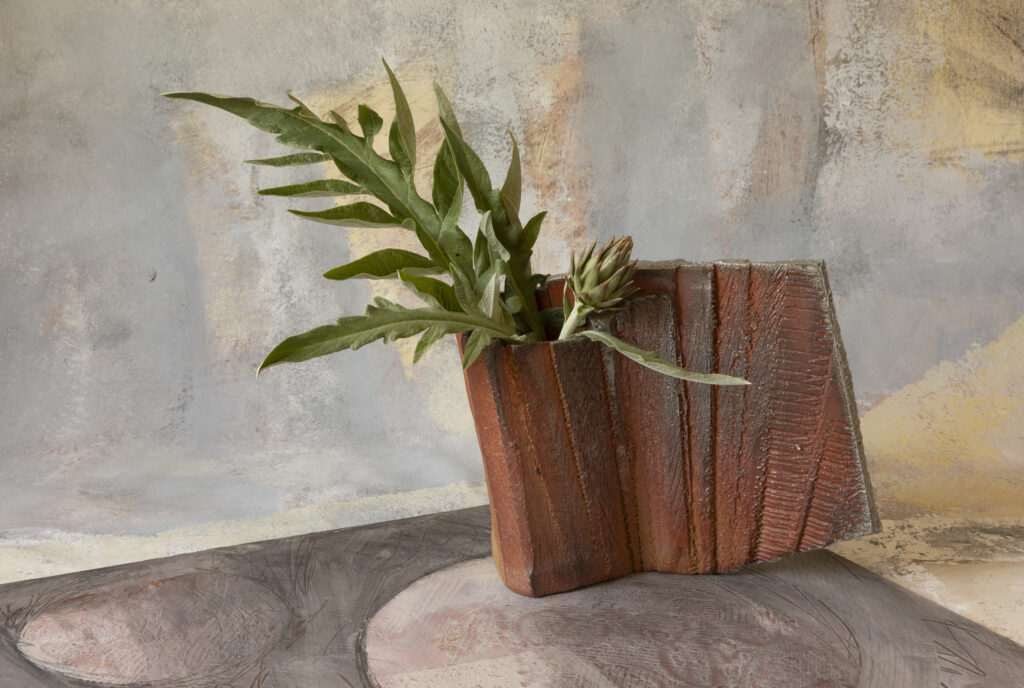
    I often make an analogy between reading poetry and reading pottery. When we read poetry we discover language that describes emotions, ideas, and feelings that are beyond words. I think of reading the qualities of pottery as something similar. We use the language of form, surface, scale, and heft—to name a few—to convey emotions, ideas, feelings that are beyond the strict confines of function.

    When the photographer Mitch Epstein was asked “what does it mean to look harder” his response was

    “It means to read pictures. We’re taught to read literature, but we’re not generally taught to read images. Photographs are used for so many different purposes, from journalism to advertising to family mementos. And I think remarkable photography insists upon a critical reading of a well-made picture’s layers, its conceptual tension, its historical depth. Much of the backstories of these pictures are embedded in the pictures themselves.

    My goal with the American Power series was to make pictures that weren’t simply illustrative, but would resonant metaphorically, that could speak to the paradox, complexity and confusion of our cultural relationship to energy; that could convey what’s at stake. Each picture stands alone, but they come together as a series to form a narrative that suggests the bigger picture.”

    —Mitch Epstein and Urban Omnibus , A Conversation with Mitch Epstein, Urban Omnibus, April 4, 2012

    2