Category: rough ideas

  • #19 summer summit 2021

    I used to imagine the day I was born but later I realized all the images I pictured were from my father or my older brothers’ perspective, not from my Mom. When we cleared out my parents’ NYC loft we had huge arguments about who should house my mother’s journals. Eventually my oldest brother agreed that I should keep them on the proviso that I also took the years of Museum of Modern Art date books my parents always used to keep track of their lives. Last year I paged through to look at my Mom’s notes leading up to my birth. I found these little daily notes had way more information about my history than I had imagined. There were the dates of when she had been exposed to German measles and when it was no longer a threat. There were doctors appointments and end of school celebrations for my brothers, visits with her siblings. These specific events are what shaped my life. My mother taught me to celebrate the everyday, the flowers on the side of the road, the city gallery, the candle at dinner, and the fireflies off the porch. She taught me that we are making this life up as we go along, between sunset and the clay between my hands holding tight.
    won’t you celebrate with me
    what i have shaped into
    a kind of life? i had no model.
    born in babylon
    both nonwhite and woman
    what did i see to be except myself?
    i made it up
    here on this bridge between
    starshine and clay,
    my one hand holding tight
    my other hand; come celebrate
    with me that everyday
    something has tried to kill me
    and has failed.

    -Lucille Clifton, won’t you celebrate with me, from “Book of Light,” Copper Canyon Press, 1993
  • #18 summer summit 2021

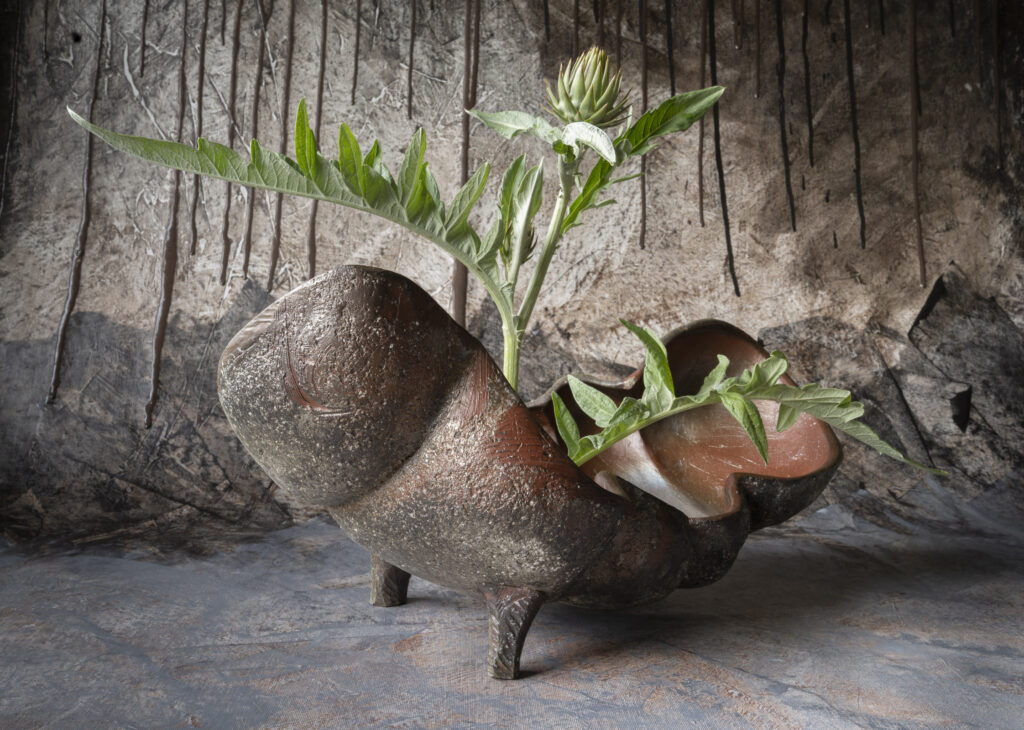
    I love the momentum of making pots for the wood kiln– a long cycle of throwing and building and imagining how each piece will fill the organic space of the kiln. At the end when I have to quit I feel as if I have scraps of ideas that roll around my brain like incomplete poems. It’s always hard to say, “ok this is it, no more for this cycle.” There is excitement for the firing but a wave of sadness for the unmade.

    & then there are those scrap poems, the ones too beautiful to finish writing, ones that would bring us too great a sadness if we ever thought they could really end. There are many of those.

    -J. Todd Hawkins, from “Hooks Brothers,” in This Geography of Thorns: Blues Poetry from the Mississippi Delta & Beyond, Poetry Society of Texas, 2020.

  • #14 summer summit 2021

    I try not to repeat myself in a given series either in the pots I photo, or the flowers, or veggies, or quotes. But sometimes I work as if I was touching the undersides of pots. So the plants in the garden and the objects all need to be touched again.

    I’d rather be loose fire
    Licking the edges of all things but the absolute
    Whose murmur retoggles me.
    I’d rather be memory, touching the undersides
    Of all I ever touched once in the natural world.

    -Charles Wright, from Bicoastal Journal, in “Oblivion Banjo,” Farrar, Straus Giroux

  • #9 summer summit 2021

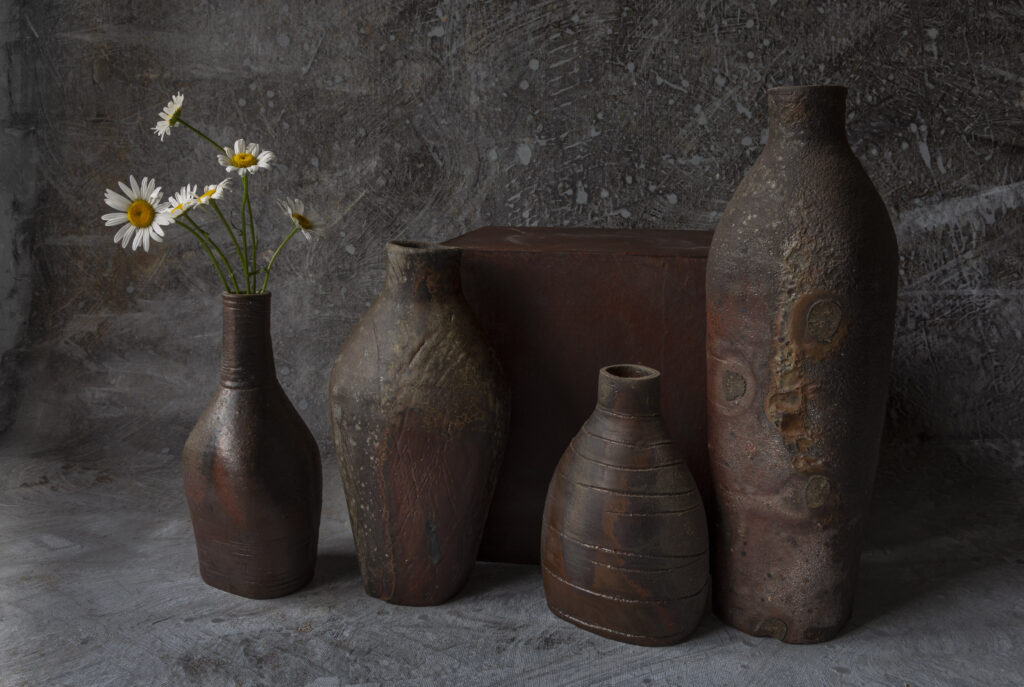
    I have been looking at a group of bottles on our dining room table, each one from a different firing, each with a different focus on form and surface. On my studio docket today was to make a new series of bottles. I often think about still lives. I remember an interrupted conversation I once had with Gwyn Hanssen Pigot. We were at the Garth Clark Gallery in New York City and I asked her if all the pots in a single still life parade came from the same firing. I wondered if pots ever hung around her studio waiting for the right mates to come along as she composed her parades. Her Australian friend interrupted us–admonishing me as if I didn’t understand how successful Gwyn was–so I never got to return to the conversation. Gwyn was inspired by Morandi’s still lives. When I take photos I often think about his painterly universe of form and structure. I imagine him looking hard at his objects as if any extra effects had been scraped away, as if the emptiness of the canvas was filled through his objects.

    Over there’s the ur-photograph,
              Giorgio Morandi, glasses pushed up on his forehead,
    Looking hard at four objects—
    Two olive oil tins, one wine bottle, one flower vase,
    A universe of form and structure.

    -Charles Wright, from Looking Around

  • #6 summer summit 2021

    I remember after my father died when I packed up all the pots I had made that my parents had saved at their loft over the years. I was surprised to see the beginnings of forms and motifs some of which I am still trying to capture. When I think back to those early attempts at making pots it’s like being pre-literate. I didn’t have the words to describe how a pot filled space, what it’s volume was, or why it was enticing. I often wonder where did the ideas come from. In a few cases I can define a specific influence. I recollect a dinner with Robert Ellison when I was in high school. He showed my parents and I some of his George Ohr pots. My dad said “I remember the things Catherine made after I showed her Picasso’s ceramics. I can’t wait to see what she makes after seeing these twisted and inventive pots.” Today in the studio I was tired of my go-to solutions. Instead I wanted to work as if I was digging potatoes — my hands feeling in the dirt without seeing , yet finding the hard shape of the prized new potato.


    “Children make up the best songs, anyway,” he [Tom Waits] says. “Better than grown-ups. Kids are always working on songs and throwing them away, like little origami things or paper airplanes. They don’t care if they lose it; they’ll just make another one.” This openness is what every artist needs. Be ready to receive the inspiration when it comes; be ready to let it go when it vanishes. He believes that if a song “really wants to be written down, it’ll stick in my head. If it wasn’t interesting enough for me to remember it, well, it can just move along and go get in someone else’s song.” “Some songs,” he has learned, “don’t want to be recorded.” You can’t wrestle with them or you’ll only scare them off more. Trying to capture them sometimes “is trying to trap birds.” Fortunately, he says, other songs come easy, like “digging potatoes out of the ground.” Others are sticky and weird, like “gum found under an old table.” Clumsy and uncooperative songs may only be useful “to cut up as bait and use ’em to catch other songs.”

    -From Elizabeth Gilbert’s terrific [Link:] 2002 GQ profile of Tom Waits

  • #5 summer summit 2021

    I often say I feel like making work for the wood kiln is like a collaboration. But I think working with any material is a collaboration. I begin with an intention, a scale, a feeling, a form and sometimes a drawing. The next step is getting the clay to do what I imagined and the question becomes, Does it match my preconception? Today I had tall narrow vases in mind— what I made looks like I was collaborating with Dr Seuss rather than smooth stoneware clay. In the studio there is a moment when acceptance is required— the vases aren’t exactly what I intended but they have a life of their own. They show what wet clay can be like; what gravity can do. These pots moved in a direction I did not expect. It takes courage to respond. The response is what allows the forms to come to life. I react to the shape and remain open to the way it slumps, wobbles, or cracks. I ask how can I help it along so that I realize the idea.

    “It’s a collaboration, making a spoon. As it is with making a vessel out of clay or a sculpture out of steel. To impose your will and force, to demand the material do what you want, take the shape you want, bow to your preconceptions for what it should be—it will not work this way. A spoon might exist in the end, but something will be missing from it, and you will feel that lack in your hand when you stir the soup. A humility is required, a willingness, in any moment, to realize, this is moving in a direction I did not anticipate, and the courage to respond to what is coming into being. To ask and attend, what shape is being asking for, how can I help it be that? This is the way we are elevated by the process and in the process.”
    Nina MacLaughlin [Link]

  • #3 summer summit 2021

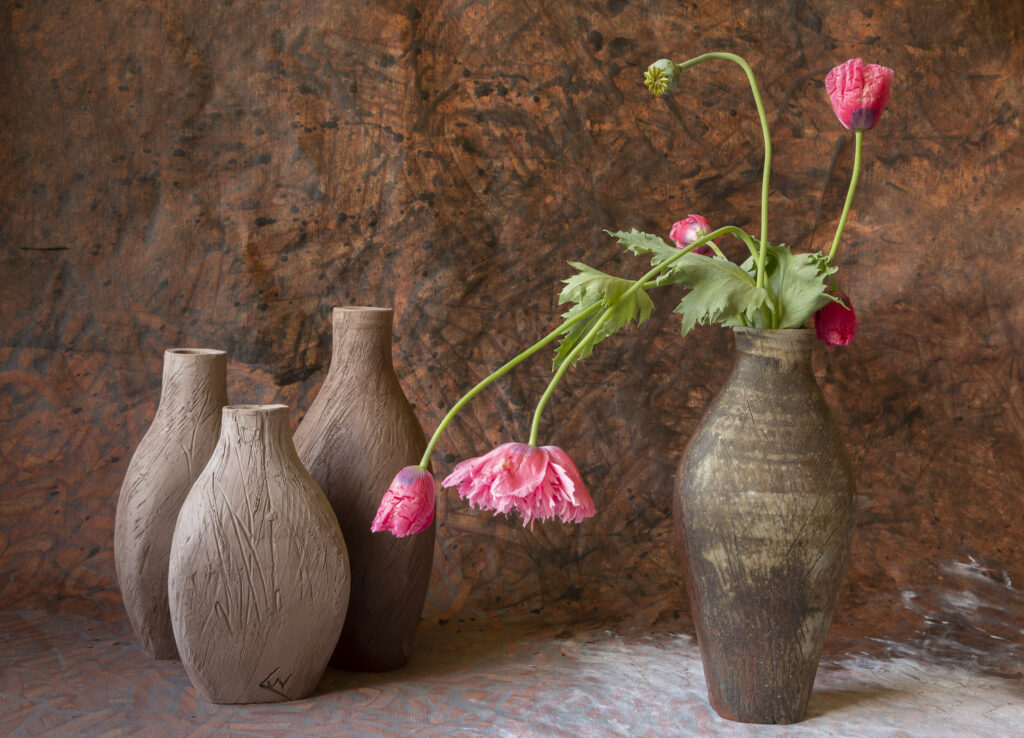
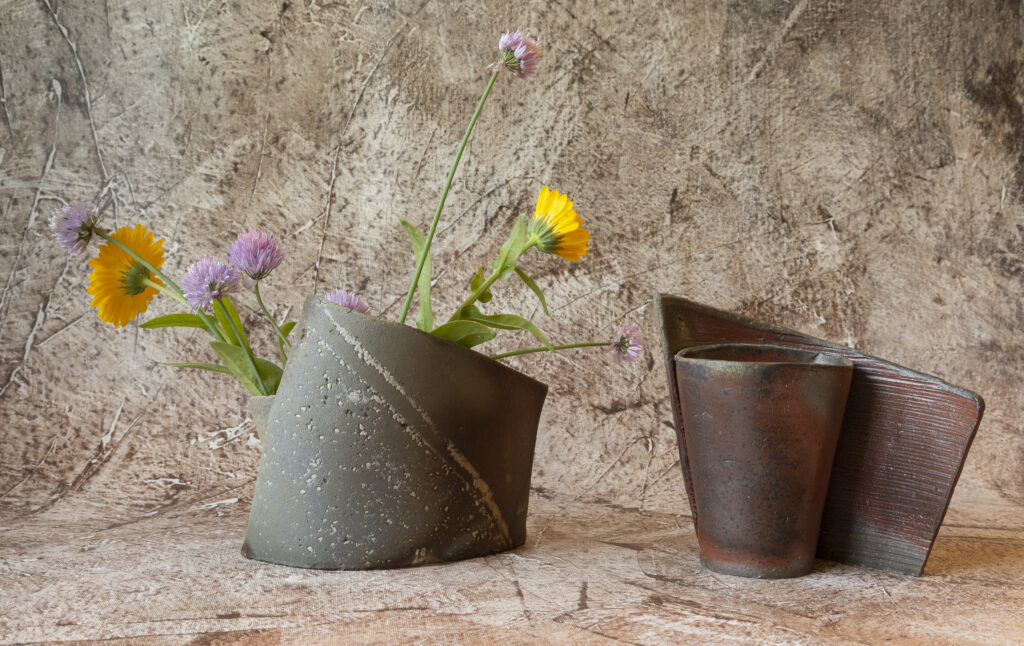
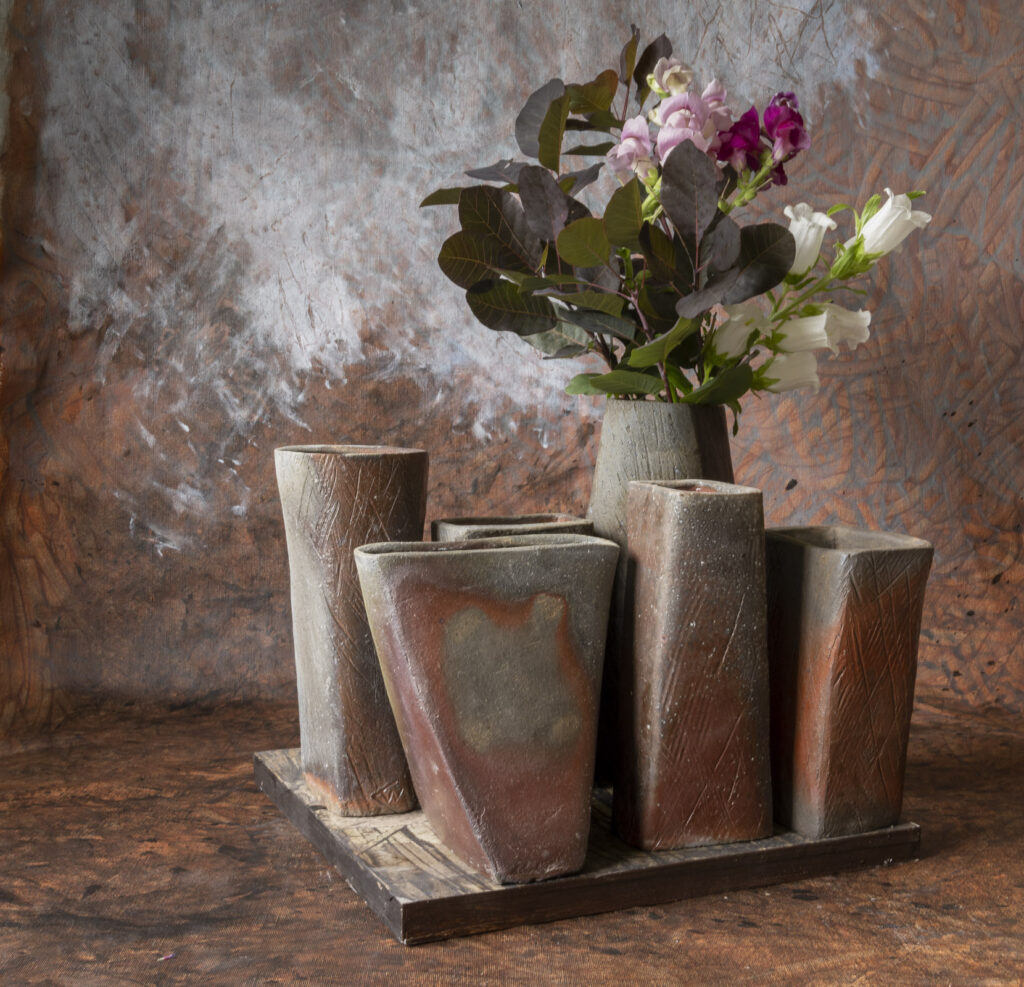
    Last night in my dreams I wandered the garden and up the driveway in search of the right words. In real life, before bedtime, one of us walks up the driveway in the dark with the puppy, noticing the sky, the breeze, the feeling of the hills; listening to the geese or sometimes the coyotes or perhaps, just silence. I think of the vases in the image as landscape vases. They hold a flower against the mass of a hill and model the line between land and sky.

    “The future tugs on us, as the moon does, come what may. In a face, in a shadow, in the overflow of dream life into real life, in all the indistinct places, come what may, come what may, we wander the night gardens of our minds in search of something we can understand. Let’s speak of what we know, and then we’ll see what we hear in the silence.”

    –Nina MacLaughlin, from Flower Moon, Link: The Paris Review

  • #2 summer summit 2021

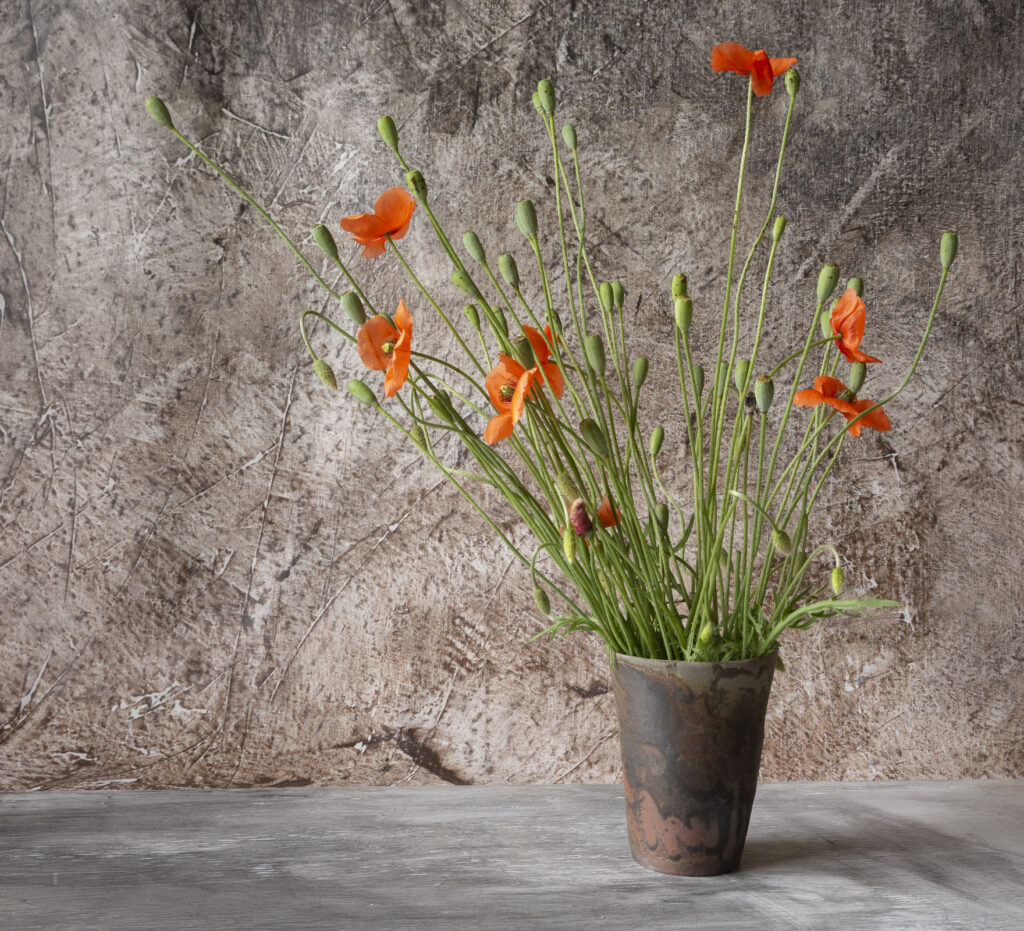
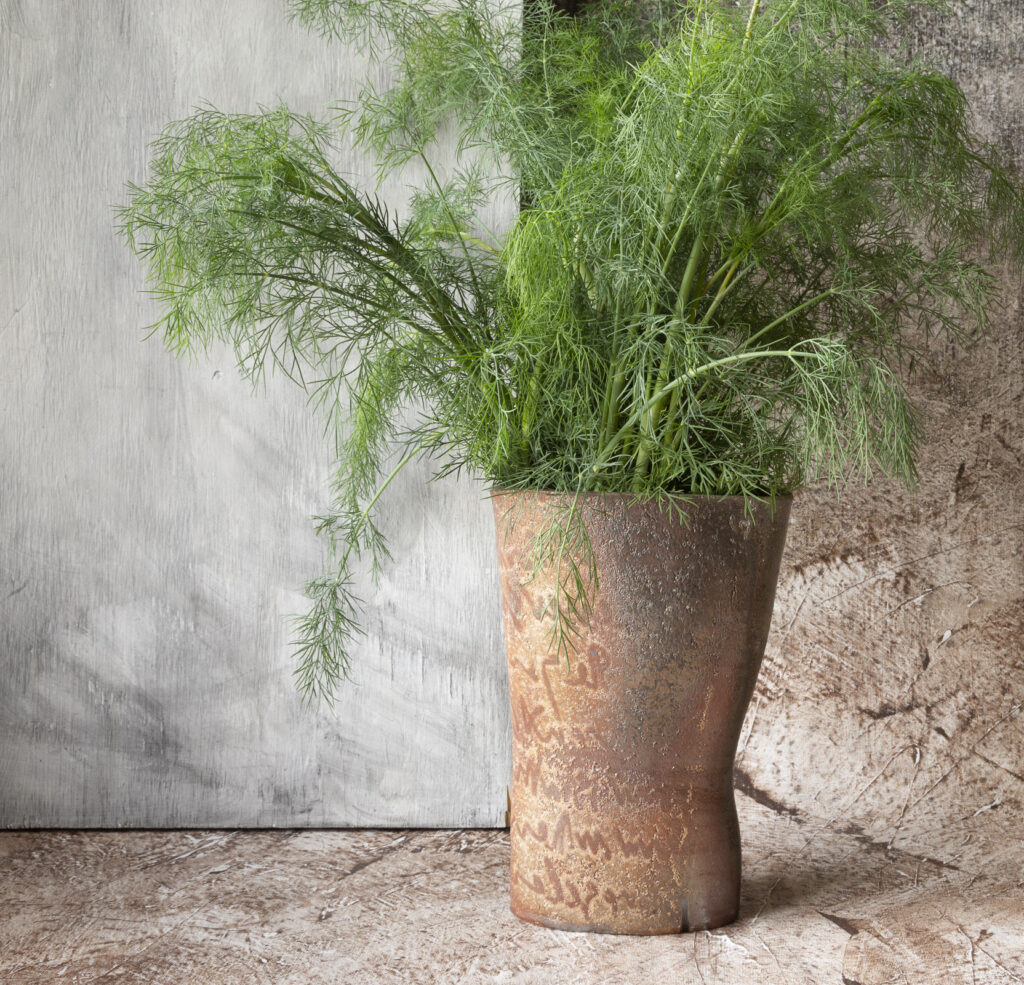
    In years past as Warren assists me in myriad fashions he used to wish that I would do these projects ahead of time. I repeatedly told him that this summer series is a response to the season, a reflection of the light, a reminder of the weeds, and the fall of the shadows. I was caught between the ideas of what the garden might provide versus the actual shadows, for instance, of today’s abundant dill. I wanted the planting of a few delinquent seedlings and admiration of the rampant growth to inform the shaking of my head at my expectations.

    Between the idea
    And the reality
    Between the motion
    And the act
    Falls the Shadow

    –T.S. Eliot , from The Hollow Men

  • #1 summer summit 2021

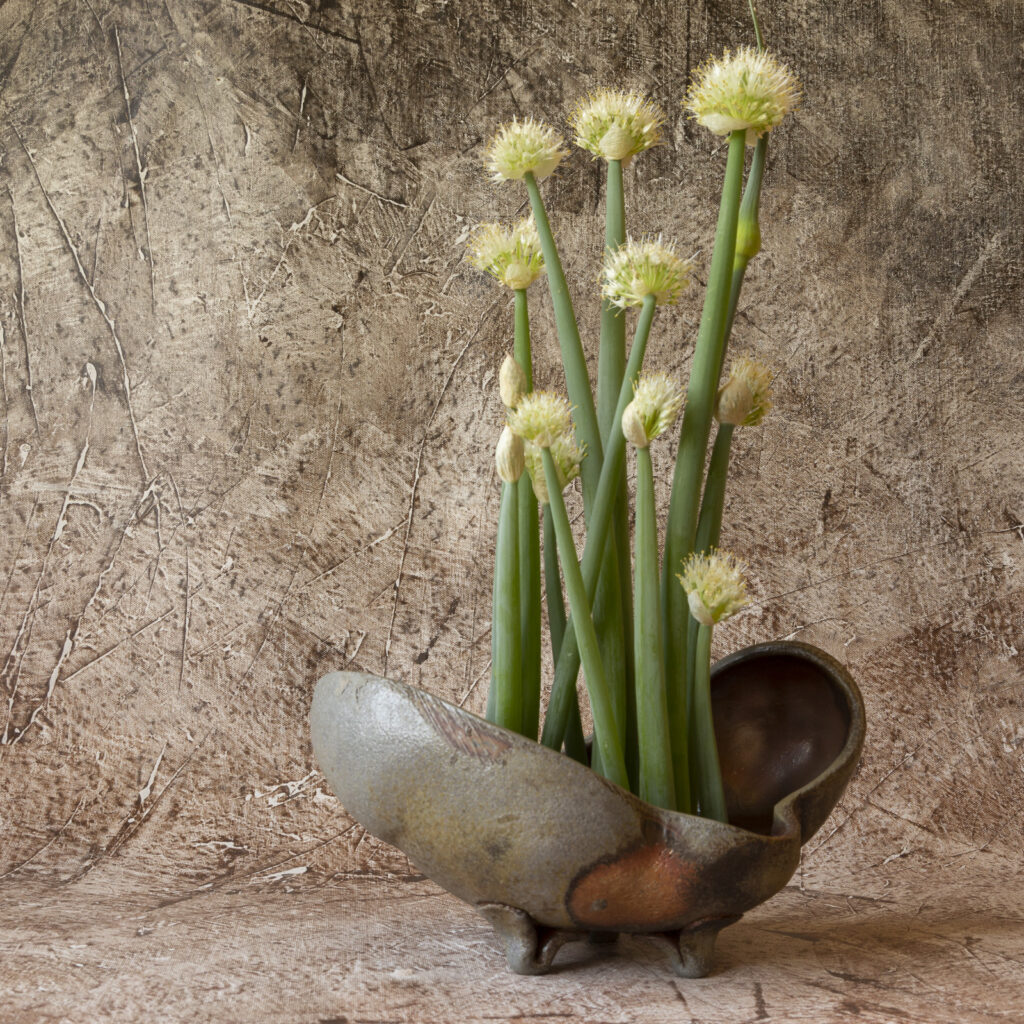
    This is the first of the series until June 21st of what I hope to be 21 images, a few recollections and some poems. After so many months of the pandemic I can take aim at this series but feel more uncertain than usual at the start.

  • #5 equinox 2021

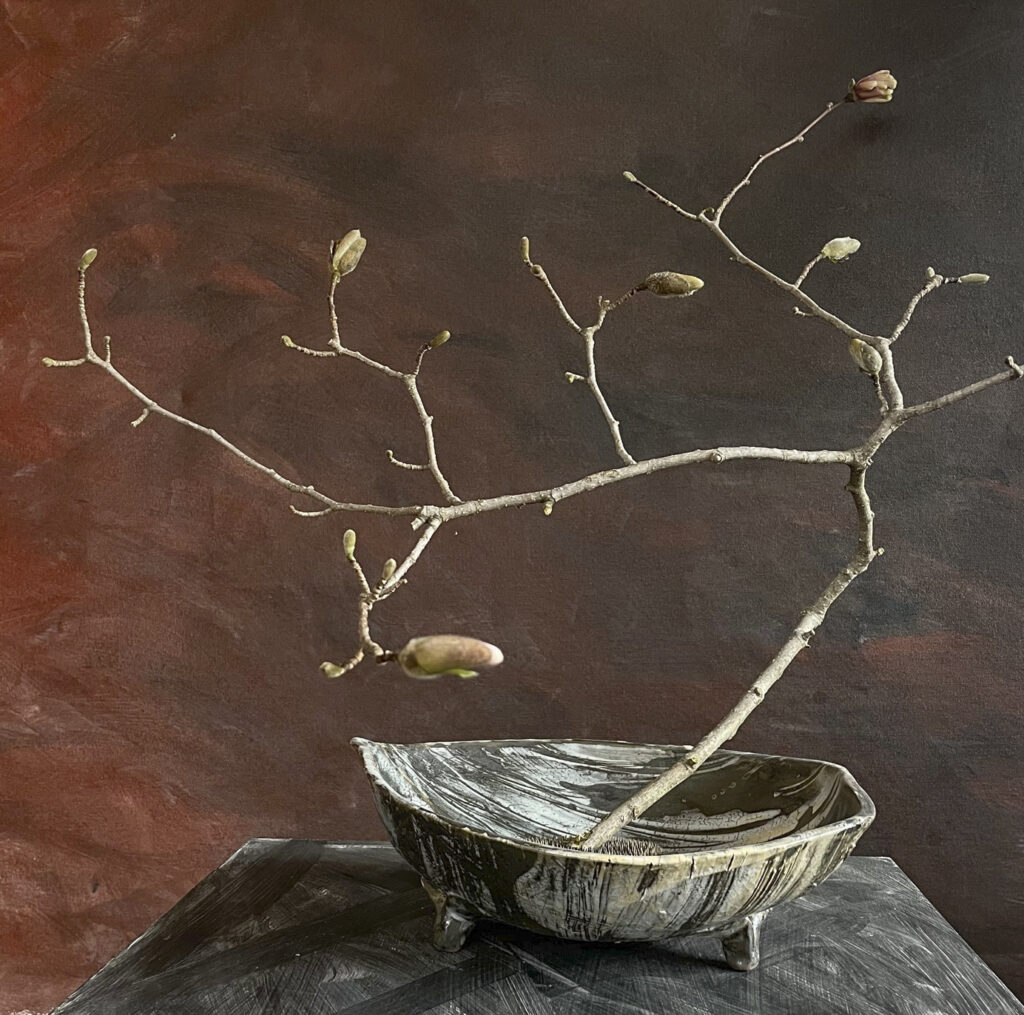
    This week on our walks, as we circle around the pond or up the road and back, we have discussed choices and paths not taken. Tonight’s loop took us past the shed we fondly call the poetry hut that Warren built for Zoe when she was 11 and wanted a space of her own. It now stores our packing materials. Warren talked about his first impressions of this piece of land after a chance sighting of an ad in the Washington Post. I reflected on how this year of staying home during the pandemic with daily local walks has more firmly rooted me in Virginia. We noted the paths we walk and the paths we didn’t take in chance encounters, job offers, education or romance. The quiet grey of sky, still pond, and green burgeoning of honeysuckle is like the inhale before the rush of spring growth.

    “Chance … has a distinct meaning for me. I do not know where I might have been led by the paths that, as I look back, I think I might have taken but that in fact I did not take. What is certain is that I am satisfied with my fate and that I should not want it changed in any way at all. So I look upon these factors that helped me to fulfill it as so many fortunate strokes of chance.”
    — Simone de Beauvoir, All Said and Done
    [Thanks to brainpickings.org]